
If you’re deciding between campus vs. online learning, here’s the uncomfortable truth: the “best” option isn’t about the school’s label. It’s about how the program is run, how you learn, and what support you get when things get hard.
In 2026, online classes are more organized than many people remember, and campus programs still offer real-life practice, quick feedback, and built-in routines. The real question is: will you finish, will you learn the material, and will you get help when you stumble?
Below is a detailed, side-by-side comparison of outcomes, costs, and support. I’ll also share a few choices I’ve seen work (and a couple that usually backfire) so you can pick with confidence.
Campus vs. Online Learning: What “better outcomes” actually means
Better outcomes don’t just mean a higher grade. In real life, outcomes include skills you can use, how well you stick with the program, your career options, and how supported you feel.
In my experience watching students go from “interested” to “enrolled,” the biggest difference isn’t the setting (campus or online). It’s whether the program has clear structure and whether you can keep up week after week.
Completion rates and student persistence (the part people ignore)
Persistence is often the real deciding factor. Many students choose online because it sounds flexible, then they underestimate how much self-management it takes.
- On campus: you have a fixed schedule, so you’re less likely to fall behind for weeks.
- Online: you can still finish on time, but only if you build a routine and plan ahead.
One original insight I’ve noticed: students do best when their “study time” is treated like an appointment. If your plan is “I’ll study sometime,” online (and even campus) turns into last-minute stress fast.
Skill-building: labs, practice, and real feedback
Online learning is strong for theory, writing, and problem sets. But for programs that require hands-on practice, campus can make a bigger difference.
Think of these common cases:
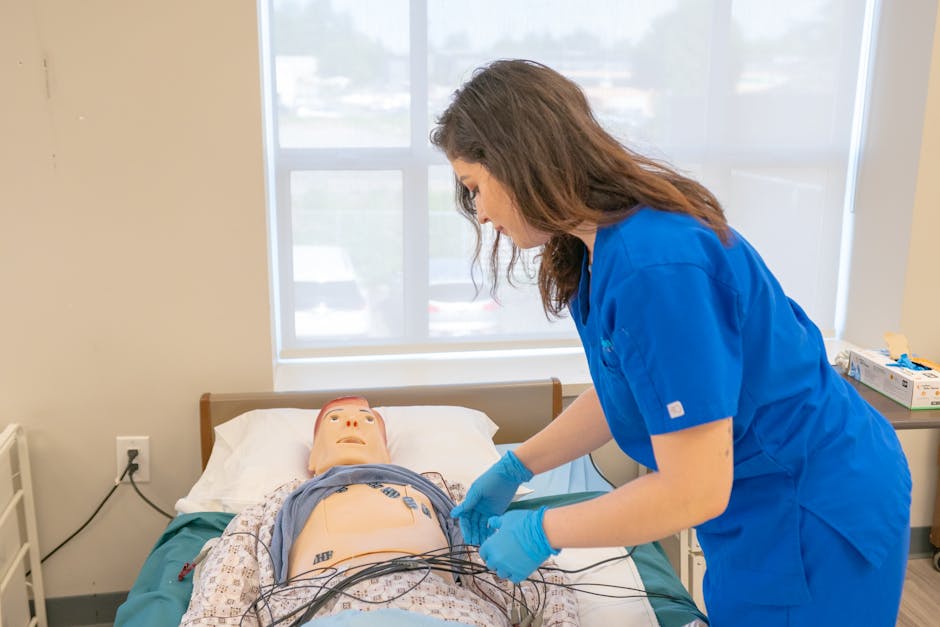
- Nursing, lab sciences, and some engineering tracks: you usually need in-person labs or required practice sessions.
- Teaching and counseling programs: you often need supervised placements.
- IT, business, and many general education courses: online can work well with projects and labs done on software platforms.
As of 2026, many schools blend both. They may run lectures online but keep labs, practicums, or exams on campus on set dates.
Cost comparison: the real total cost of campus vs. online learning
When people compare costs, they usually look only at tuition. That’s not the full story.
Total cost includes housing, transport, meals, books, fees, and time. For some students, the “hidden cost” is lost wages while you’re studying full-time.
Tuition is only one piece
Online programs can be cheaper, but not always. Some universities charge the same tuition rate online as on campus. Others lower it. Either way, you should compare the full list of required fees.
Here’s what to check:
- Program tuition per term or per credit
- Technology fees (common for online)
- Lab fees or required campus session fees
- Exam and proctoring fees (for some online courses)
- Book costs (digital vs. print)
Campus costs: housing, commuting, and day-to-day expenses
Campus costs depend heavily on whether you live at home or in housing. Even if tuition is similar, housing and commuting can change the final number fast.
Typical budget items include:
- Rent or dorm fees (plus utilities)
- Commuting (gas, bus/train pass, rideshare)
- Meal plans or extra food spending
- Printing, parking permits, and campus fees
- Time cost: fewer hours to work while classes happen on weekdays
Online costs: tech, internet, and study materials
Online learning often shifts money from housing to equipment. If you already have a good laptop and reliable internet, costs may be low. If you don’t, you’ll need to plan for setup.
For online study in 2026, I recommend budgeting for:
- A laptop or desktop that can run course software smoothly
- A reliable internet plan (video classes need stable upload speeds too)
- Headphones with a mic for class discussions
- Notes and course materials (some courses require specific textbooks or bundles)
- Proctoring tools or remote exam systems if required
Quick side-by-side budget table (use it for your planning)
Use this table as a starting point. Your real numbers will vary by country, school, and program length.
| Cost item | Campus learning | Online learning |
|---|---|---|
| Tuition | Often per credit/term; may include more campus fees | May be discounted, same rate, or different fee structure |
| Housing | Dorm/rent if not commuting | Usually not needed |
| Transport | Commute, parking, occasional travel | Local costs only (plus any required on-campus days) |
| Meals | Meal plan or daily spending | At home (or whatever arrangement you already have) |
| Equipment | Sometimes campus provides lab tools | Laptop, headphones, good internet |
| Support services | On-site advisors, tutoring centers | Remote advising, online tutoring, virtual office hours |
Student support: who helps you when you’re stuck?
Support is where many students get surprised. A campus can offer more “random help” because people see you in hallways. Online support can still be great, but you often have to ask for it.
Support includes academic help, mental health resources, career services, and help with tech problems.
Campus support: tutoring centers and quick office hours
On campus, support usually looks like:
- In-person tutoring sessions
- Study groups you can join in person
- More frequent face-to-face meetings with advisors
- Access to libraries and writing help
I’ve also seen a big advantage with motivation. When students feel “seen,” they ask questions sooner. That often prevents small confusion from turning into a failing grade.
Online support: tutoring, office hours, and platform help
Online support works best when the program is specific about how to reach people. For example, office hours, response times, and assignment help channels should be clear in the course page.
When reviewing a school, I’d look for these signs of real support:
- Clearly listed tutoring times (not just “available”)
- Virtual office hours with a set schedule
- Access to a writing center or editing feedback for essays
- Career services that offer real guidance, not only generic links
- A tech helpdesk that answers quickly (weekdays and sometimes evenings)
Practical example: if your course uses tools like Canvas, Moodle, or Blackboard, ask whether the school offers a quick start guide for new students. Tiny tech failures can cost you a whole week.
What most people get wrong about support
Here’s the common mistake: students assume help is automatic on campus and optional online. The reality is different.
- Online learners need to plan support early—week 1, not week 8.
- Campus learners still need to use tutoring and advising instead of waiting until grades dip.
My rule of thumb: if the program doesn’t clearly describe support steps, ask before you enroll.
Schedule and learning style: which option fits your real life?
The best format is the one you can keep. Flexibility isn’t free—you pay for it with time management.
Ask yourself honestly: do you need structure, or do you thrive with freedom?
Self-discipline requirements for online learning
Online learning assumes you can manage deadlines, focus for longer stretches, and communicate clearly.
If you’re easily distracted at home, you’ll need a plan. Some students set up a dedicated “school spot.” Others use website blockers and keep a simple checklist.
A practical 2-step method I’ve seen work:
- Map deadlines first: put all due dates into one calendar (Google Calendar or Outlook).
- Break readings into days: don’t plan by “chapters,” plan by time blocks like 30–45 minutes.
Campus learning: routine, community, and fewer missed deadlines
Campus learning naturally creates routine. You show up, you get pulled into discussions, and you see other students working too.
Still, campus doesn’t fix learning problems by itself. If you never go to office hours, you won’t magically understand harder topics.
Hybrid options (the smart middle ground)
Many universities in 2026 offer hybrid formats: lectures online, but labs, exams, or required sessions on campus.
Hybrid is often the best answer for students who want flexibility but need hands-on components. It also helps if you’re juggling work or family duties.
Outcomes for careers and admissions: how employers and schools view each path
Career outcomes depend on skills and proof, not just delivery method. Employers care what you can do and how you present it.
Graduate admissions also care about your academic record, program fit, and sometimes research or project experience.
What employers look for in 2026
In many job searches, employers scan for:
- Relevant projects or portfolio work
- Internship or practicum experience
- Clear course outcomes (sometimes listed on transcripts)
- Communication skills and practical results
Online learning can help if you build proof. For example, IT students can create a portfolio with projects, write-ups, and GitHub repositories. Business students can showcase case studies and presentations.
Transcripts, accreditation, and credibility
Accreditation is the key word here. It refers to official recognition that a program meets quality standards. If you’re comparing schools, verify accreditation and program approval in your region.
Some people worry that online degrees are “less real.” That worry fades fast when:
- The degree is accredited
- The program includes required practice or labs
- You can show your work (projects, capstones, certifications)
A real-world scenario I’ve seen
I worked with a student in 2026 who took online courses while working part-time. They struggled in week 3 because the first assignment required knowledge from three earlier lessons. They didn’t email for help until week 5.
Once they started using office hours twice a week and asked for feedback on their draft, their grade jumped. The program was fine—the support timing was the issue. This is why “campus vs. online” is less important than when you get help.
Admissions and enrollment: choosing the right program before you start
Your admissions choices shape your learning experience. Before you apply, make sure you understand how the program actually runs.
That’s true for both campus and online students.
Questions to ask during campus tours or online info sessions
Use these questions to get real answers:
- What does a “typical week” look like for students?
- How fast do instructors respond to questions?
- Are there required campus days for exams or labs?
- What tutoring and advising services are included?
- What tools do you use for course delivery (Canvas/Moodle/Zoom)?
- How are group projects handled when students are online?
How to compare study programs side by side
Many students compare only one factor like “cost” or “schedule.” Compare outcomes and support too.
Here’s a simple score method you can do in 20 minutes:
- List two to four programs you’re considering.
- Score each on a 1–5 scale for structure, feedback, support, and required practice.
- Write one “risk” for each program (like limited lab access or long response times).
Then pick the program where the risks are manageable for your life.
People Also Ask: Campus vs. Online Learning
Here are direct answers to common questions students ask when they’re comparing campus vs. online learning.
Is online learning as good as campus learning?
Online learning can be just as good for many subjects, especially writing, theory-based courses, and software-focused skills. For hands-on programs like labs, internships, or clinical practice, the best “online” options usually include required in-person components.
What matters most is program structure and support—deadlines, feedback, and tutoring access.
Which one is cheaper: campus or online learning?
Online is often cheaper because you avoid housing and commuting. But it depends on tuition, required campus days, and what you need to buy for your setup.
A clear way to decide: add up total costs for one full year (tuition + fees + required travel + equipment + internet upgrades).
Do employers prefer degrees from campus programs?
Most employers judge degrees by accreditation and the skills you can prove. A degree earned online is usually seen as credible when the program is recognized and you can show work through projects, certifications, or internships.
If you’re worried, focus on building a portfolio and getting real experience during the program.
What kind of support do online students get?
Online students typically get tutoring, virtual office hours, advising, and digital resources. The quality varies, so check response times, tutoring schedules, and whether instructors give feedback on drafts and problem sets.
How do I stay motivated in online learning?
Motivation comes from visible progress and routine. Set small weekly goals, keep a calendar with due dates, and book help before you’re behind.
A practical step: start a “confusion list.” If a concept isn’t clear, write it down right away. Bring that list to office hours so you don’t forget.
My final comparison: when campus wins and when online wins
Here’s my direct take. Campus tends to win when you need daily structure, hands-on practice, or you learn best in person. Online tends to win when you already have solid time management skills or you need flexibility around work or family.
Campus learning is usually the better choice if you…
- Need routine to stay on track
- Learn faster with face-to-face explanations and quick questions
- Are in a program with labs, practicums, or clinical requirements
- Want built-in community and frequent study spaces
Online learning is usually the better choice if you…
- Can study regularly without someone reminding you
- Have a reliable internet setup and a quiet study space
- Prefer recorded lectures you can pause and review
- Need flexibility for a job, caregiving, or commuting limits
Hybrid is the best answer when you need both
If your program includes required on-campus labs or practicums, hybrid is often the smartest plan. You get structure when it matters and flexibility where it counts.
Action plan: how to choose the right option in 7 days
If you want a clear next step, use this 7-day plan. It’s short, practical, and doesn’t require you to be “ready” yet.
Day 1: Make a list of your non-negotiables
Write what you must have. Examples: evening classes, in-person lab days, tuition budget, tutoring access, or a specific start date.
Day 2: Confirm support and response times
Email admissions or program staff and ask how quickly questions are answered and what tutoring looks like. If they can’t answer clearly, treat that as a warning sign.
Day 3: Compare the total cost, not just tuition
Use your calendar and budget. Include equipment for online or housing for campus. Be honest about your work schedule.
Day 4: Check required practice components
If you’re in a field that needs labs, placements, or clinical hours, confirm exactly where and when you’ll complete those hours.
Day 5: Talk to current students (not only staff)
Ask what’s hardest in week 2, not just week 10. Students know where support works and where it falls behind.
Day 6: Choose your accountability method
If you pick online, schedule study time like a class. If you pick campus, plan tutoring or office hours early so you don’t wait until grades drop.
Day 7: Decide and commit to a realistic routine
Pick the option where you can follow through. The “perfect” program doesn’t matter if you can’t show up consistently.
Related resources on our blog
If you’re also comparing programs and trying to strengthen your application, these guides can help:
- How to Choose a Degree Program (help picking the right field and course structure)
- Admissions Checklist (documents, deadlines, and common requirements)
- Study Tips for Students (practical study routines for both formats)
Conclusion: pick the format you can finish, not the one that sounds best
Campus vs. online learning comes down to fit. Campus usually gives you structure, community, and easier access to support. Online can match that quality for many subjects, especially when the program has clear weekly structure and real feedback.
Your best next move is to compare support and total cost, then plan for how you’ll keep up. If you can build a routine and you know how to get help early, online learning can lead to strong outcomes. If you need daily structure or hands-on practice, campus is the safer bet.
Choose the option where you can realistically succeed week after week—then show up for it.
Featured image alt text suggestion: “Campus vs. online learning comparison showing students studying and accessing support in 2026”
About the Author