Picture this: your campus apartment feels like a “free” experiment. One month the heating runs all week. The next month you’re opening windows because it’s too warm. Then the bills show up—and they’re not small.
Here’s the good news: for long-term study housing, the right HVAC (heating, ventilation, and air conditioning) choices can keep comfort steady and reduce utility costs every month. Energy-saving 101 starts with smart decisions that don’t require you to babysit the thermostat all day.
As of 2026, the best plan is simple: match the HVAC system to the building, control it with schedules and sensors, and fix the “silent energy leaks” like poor ventilation, blocked airflow, and old controls.
Energy-Saving 101 for Study Housing: Start with the biggest bill drivers
Utility costs usually rise from just a few repeat problems: heat loss, heat gain, poor air flow, and controls that run the system when nobody needs it. I’ve seen it in student housing where the system is “set and forget,” but the apartment is anything but steady.
In most study housing, heating and cooling dominate the bill. Water heating can be a close second, depending on your hot-water setup. Power for fans and dehumidifiers adds up too, especially in humid climates or older buildings with weaker insulation.
Fast reality check: if you want savings quickly, focus on HVAC control first (thermostat settings and schedules). If you want bigger long-term savings, upgrade the equipment and airflow paths after that.
Choose the right HVAC system for your building (not just your comfort)
The best “energy-saving” system is the one that fits the space and the climate. A powerful unit in the wrong size will short-cycle (turn on and off too fast) and waste energy. An underpowered unit will run longer than it should and never reach a stable temperature.
For long-term study housing, landlords and housing providers usually care about predictable comfort, easy maintenance, and lower utility costs. Students care about lower bills, quieter rooms, and fewer “temperature fights.” The best setups help both sides.
Heat pumps vs. old furnaces: why they win for long-term rentals
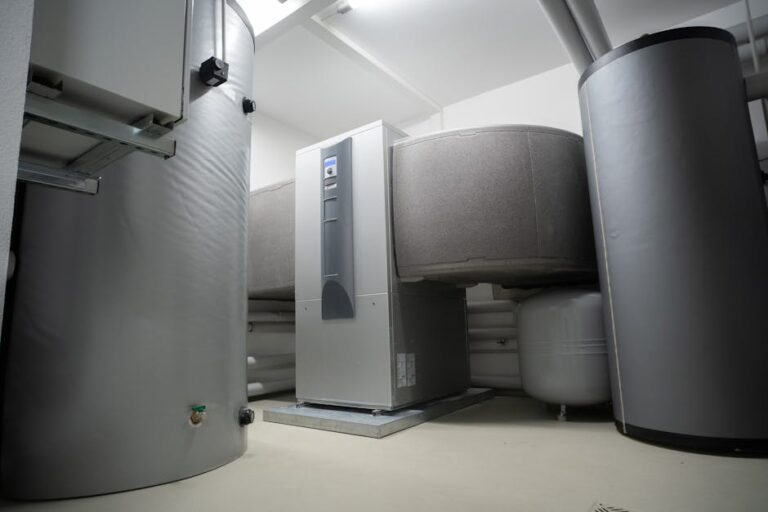
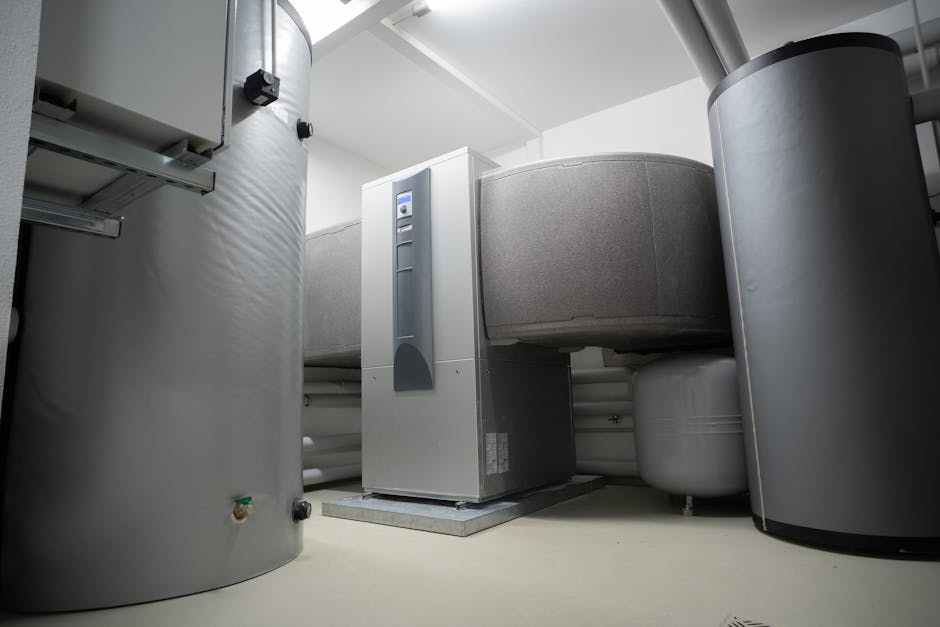
A heat pump is a system that moves heat instead of burning fuel to create heat. That means it can heat in winter and cool in summer, often using much less energy than older methods.
In 2026, many providers switch to heat pumps for study housing because the payback usually improves when the home is sealed, insulated, and controlled well. If the building has drafty windows and no insulation, the heat pump still works—but it has to work harder.
Real-world case I’ve seen: a small campus building with older radiators had huge temperature swings. After the switch to a modern heat pump and added room-by-room control, tenants stopped opening windows to “fix” hot rooms. Their comfort stabilized, and the heating runs became more efficient.
Mini-splits and multi-zone options for mixed study apartments
Mini-split air conditioners (also called ductless systems) are popular in student apartments because you can cool or heat only the rooms people use. In study housing, that matters—kitchens, halls, and bedrooms often have different comfort needs.
If you have an apartment with a living area plus bedrooms, multi-zone systems can cut waste. You don’t have to cool the whole unit when everyone is sleeping in one room. It’s also helpful for shared apartments where one person likes it cool and another likes it warm.
One warning: mini-splits still need clean filters and good installation. If air vents are blocked or the indoor unit is covered, the system loses efficiency fast.
Don’t ignore ventilation: good air saves energy and health
Ventilation refers to bringing in fresh air and removing stale air. In student housing, this impacts comfort, sleep, and mold risk. But poor ventilation can also force the HVAC to work harder to keep temperatures stable.
With a balanced fresh-air strategy, you reduce stale moisture and odors without constant window airing. That means fewer temperature swings and less energy waste.
Smart thermostat basics that actually cut bills (and stop the daily drama)

In my experience, thermostats are where people waste the most energy because they set them like it’s a toy. In long-term study housing, the goal is steady comfort with low “overshoot.” Overshoot is when the system pushes past the set temperature then corrects again, burning extra energy.
Most modern thermostats support scheduling and learning. But even without “fancy” features, you can save a lot.
Set schedules like a real student schedule, not a perfect office schedule
Study life isn’t 9-to-5. Nights are late, weekends are random, and you might be away for a weekend trip. Your thermostat schedule should match that.
Here’s a practical setup I recommend for apartments where people study at home:
- Weekdays: Set a comfort temperature during your main study window (example: 6–10 pm).
- Mornings: Use a wider temperature range when you’re asleep or not home.
- Weekends: Don’t run the same schedule every day if your routine changes. Adjust in short steps.
Even if you only do “two settings” (comfort and setback), you’ll usually beat the “constant comfort all day” approach.
Use setback ranges that protect comfort and efficiency
A lot of people think they should set the thermostat as low as possible in winter or as high as possible in summer. That often backfires because the HVAC has to work harder to recover.
Instead, use moderate setbacks. Example: if you prefer 21°C when you’re home, try 18–19°C at night or when you’re out. In summer, if you like 24°C, try 25–26°C when you’re away.
This keeps recovery easy and reduces stress on the system.
Get room-by-room control where possible
Energy-saving 101 gets easier when you can control the rooms you actually use. If your system allows multiple zones or separate indoor units, you stop heating or cooling empty spaces.
For shared student apartments, zone control also reduces conflict. It’s easier to agree on comfort when each person can adjust their room rather than changing the entire apartment temperature.
Fix airflow problems fast: the “invisible” savings
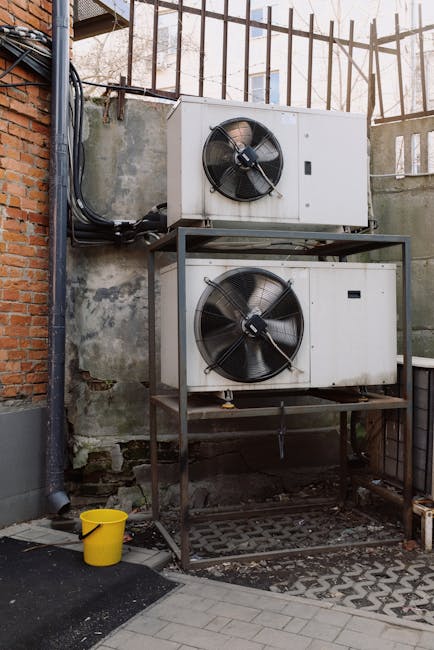
Airflow issues make HVAC systems run longer. Filters that are dirty, vents that are blocked, and furniture placed too close to indoor units all reduce airflow and increase energy use.
When I tour housing units, I often see curtains covering radiators or rugs blocking return vents. The system still works, but it becomes less efficient and noisier.
Filter care schedule for students and housing managers
Filters are small, but they matter. Dirty filters can make the HVAC use more electricity and reduce heating/cooling performance.
Use this simple rule:
- Check filters monthly in dusty months.
- Replace or clean every 1–3 months, depending on the filter type and air quality.
- Set a reminder so it doesn’t get forgotten.
If your unit uses HEPA or specialized filters, follow the manufacturer’s guidance. The goal is clean airflow, not improvising.
Seal the small leaks that cause big losses
Even a good HVAC system can’t “outpower” constant air leaks. Drafty doors, gaps around windows, and thin balcony seals can undo your savings.
Quick student-friendly fixes:
- Use door draft stoppers.
- Add weather stripping on window frames if allowed.
- Close curtains at night for better insulation on sunny days.
Housing providers can go further with window upgrades and improved insulation. But students can still reduce waste with small changes.
Don’t block returns and intakes
For mini-splits and ducted systems, blocked airflow is a common mistake. If furniture blocks a return vent, the system draws in less air and loses efficiency.
Keep at least 30–50 cm of clear space around indoor units when possible. Also, avoid placing plants or storage directly in front of vents.
Humidity, dehumidifiers, and “why cooling feels wrong”
Humidity can make rooms feel hotter than they are. That’s why some study apartments feel “sticky” even when the thermostat looks reasonable.
When humidity is high, many people turn the air conditioner colder. That often leads to higher energy use and sometimes uncomfortable dry air later.
What to do instead: aim for balanced comfort
Cooling works best when you remove moisture efficiently. Modern HVAC units often have dehumidifying modes. If your system has one, use it instead of forcing a very low temperature.
Also, ventilate moisture sources: showers, cooking, and drying clothes. If you don’t, the HVAC fights the problem constantly.
If you notice condensation on windows or walls, treat it as a signal. Fixing moisture helps both comfort and building health.
Upgrade strategy for 2026: what to buy first when budgets are tight
Not every study housing project has money for a full HVAC replacement. The smartest approach is to upgrade in the order that reduces energy fastest.
Here’s the order I’d choose for most long-term study housing setups.
Priority 1: Controls and commissioning (the fastest savings)
“Commissioning” is when the system is set up and tested to work the way it’s designed. Many systems are installed, but not tuned for the actual building.
Do these first:
- Install or upgrade thermostats with schedules and occupancy settings.
- Check that heating/cooling setpoints match the building layout.
- Verify airflow and fan speeds.
- Make sure vents are balanced if you have ductwork.
These steps often cost less than replacement equipment and can cut wasted runtime right away.
Priority 2: Equipment that matches demand (heat pump, multi-split, or ducted)
Next, choose equipment based on how people actually live in the space. For apartments with multiple rooms, multi-zone systems often reduce waste.
If you’re moving toward a newer heating approach, heat pumps are a common 2026 choice because they can cover both heating and cooling needs with one system.
For housing managers in Lithuania and nearby areas, you can explore current equipment options through termo1. They focus on heating, ventilation, and air conditioning options, including energy-saving heat pumps and different air conditioner types for different layouts.
Priority 3: Ventilation upgrades when air quality and moisture are issues
If a building has frequent condensation, musty smells, or stiff airflow, ventilation upgrades can reduce both health risks and HVAC strain. A balanced ventilation plan helps the HVAC control temperature without chasing moisture all day.
In many homes, students don’t have the power to change ventilation design. But housing providers can make ventilation a priority during renovations.
What most people get wrong (and why it costs money)
The biggest mistake is treating HVAC like a single knob. In reality, savings come from matching the system to the building, then controlling it smartly.
- Wrong sizing: Leads to short cycling and constant recovery.
- Dirty filters: Increases electricity use and weakens performance.
- All-day “comfort”: Wastes energy when nobody is home.
- No zoning: Cools or heats empty rooms.
If you fix just one thing, start with controls and airflow. If you fix two things, add an HVAC choice that fits the apartment layout.
Real student housing scenarios (with numbers you can relate to)
Let’s make this practical. Most study housing has repeating patterns: shared apartments, long nights, and unpredictable time away.
Here are a few real-life scenarios that show how energy-saving HVAC choices show up on bills.
Scenario A: Shared apartment with one thermostat
Two students share an apartment. One studies in the living room in the evenings. The other sleeps in a bedroom. A single thermostat forces both rooms to match one temperature.
What changes savings fast: adding room-by-room control (mini-split or zone control) or using a schedule that aligns with the living room occupancy window.
Result: fewer complaints, fewer “open the window” moments, and less HVAC runtime.
Scenario B: Drafty building with old heating
In winter, the apartment never feels fully warm. People crank the heat, open windows on accident, and the HVAC runs constantly.
What changes savings: sealing leaks around windows and doors, plus improving heating controls. A heat pump system usually performs better when the building is not leaking heat every hour.
Result: fewer extreme temperature swings and smoother heating cycles.
Scenario C: Humid summer with “cold but sticky” rooms
People set the AC lower to feel comfortable, but the room still feels damp. That means the system isn’t removing moisture well for the current humidity level.
What changes savings: use the dehumidify mode (if available), keep doors closed during cooling, and improve ventilation around moisture sources.
Result: comfortable rooms at less aggressive temperature settings.
People Also Ask: quick answers students and housing managers search for
What is the most cost-effective HVAC upgrade for student housing?
For most long-term study housing, the most cost-effective upgrade is improving controls first—good scheduling, proper setpoints, and system tuning. After that, add or switch to equipment that matches the layout, like heat pumps or multi-zone ductless systems.
Do smart thermostats really save money in apartments?
Yes, when you use schedules that match your life. A smart thermostat doesn’t save money by itself. It saves when it reduces runtime during low-occupancy hours and avoids constant temperature chasing.
Is it better to run HVAC all day or use schedules?
In almost all cases, schedules beat all-day running. Continuous operation increases energy use and leads to more wear. Scheduling works best when setback ranges are moderate and airflow is healthy.
How often should students change HVAC filters?
Check monthly and replace or clean every 1–3 months, depending on dust levels and filter type. If allergies or heavy dust are common, replace sooner rather than later.
Will a heat pump work in cold winter climates?
Modern heat pumps are designed to work in cold conditions, but performance depends on the system model and how well the building is insulated. If your building is very drafty, you’ll still save money, but your comfort and efficiency will improve faster with sealing and insulation.
Where HVAC energy savings connect with student success
Comfort isn’t just a “nice-to-have.” Stable temperatures and clean air help focus, sleep, and reduce illness risk. If students are always too hot or too cold, studying suffers.
That’s why energy-saving HVAC choices belong in the same conversation as admissions and housing planning. When schools plan study housing well, fewer students move out for comfort reasons—and fewer complaints hit maintenance.
If you’re thinking about how housing choices impact student life, you may also like our posts on building better study routines in shared housing and how to choose housing that fits your lifestyle. (These are practical guides for students choosing where to live while they study.)
Conclusion: Your long-term savings plan in three steps
Energy-saving 101 for long-term study housing comes down to three actions: control wisely, fix airflow, then match the HVAC system to the building layout.
Start with schedules and setpoints that fit real student life. Keep filters and vents clean so the system can do its job efficiently. Then, if you’re planning bigger changes, consider modern options like heat pumps and room-by-room solutions—especially for buildings where comfort complaints repeat every year.
If you’re supporting a school, university, or study program housing budget, the best takeaway is this: comfort stays high when HVAC runs only when it’s truly needed. That’s how utility costs drop month after month without turning life into a thermostat fight.
Featured image alt text suggestion: Energy-saving HVAC upgrade for long-term study housing with heat pump and smart thermostat control
Optional internal resource angle: If you’re exploring equipment options, you can compare types like heat pumps and different air conditioner styles on termo1, then talk to a local installer about what fits your building layout and maintenance plan.
Note: I wrote this with student housing in mind. If your unit is a medical accommodation, has special ventilation requirements, or has older wiring that needs review, involve a licensed HVAC technician before changing anything electrical.
About the Author