If you’ve ever sat through a lecture and felt like your brain turned off, you’re not alone. Many students don’t fail because they’re “not smart.” They struggle because the program style doesn’t match how they learn.
In this guide, I’ll walk you through the top 12 study options by learning style, from lecture-based classes to project-driven programs. I’ll also show you what to look for during admissions, how to compare program formats, and what students often get wrong when they choose a school.
Learning style isn’t a magic label. But it is a useful filter. It helps you pick a study format where you’ll stay engaged, practice the right skills, and actually finish assignments on time.
How to match your learning style to the right study option (without overthinking it)
The best study option is the one that makes you practice, not just listen. Learning style refers to how you take in and process information (for example, reading, listening, doing hands-on work, or working with others). A good match usually means better focus, clearer understanding, and fewer “I don’t get it” moments.
Here’s a quick way I use when advising students. First, list what you do during class:
- Do you take notes and later study from them?
- Do you ask questions or talk it out?
- Do you learn best when you try problems right away?
- Do you remember more when you build, test, or create something?
Then look at the program format. If a school says “hands-on learning” but the schedule is mostly passive, you’re looking at a mismatch.
If you want more help with choosing programs, you may also like our guide on how to choose a degree program that fits you.
1) Lecture-based programs (best for structured listening and note-taking)
Lecture-based study options work best when you love clear explanations and a step-by-step structure. This format is common in universities for subjects like history, law basics, economics, and many theory-heavy courses.
What it looks like: you attend scheduled lectures, take notes, and usually write assignments or exams. Some programs also add tutorials (small group help sessions) even if the core is lecture-based.
Pros:
- You get a clear “big picture” fast.
- Good lecturers make hard topics easier.
- It’s easier to plan your week when classes are fixed.
Cons:
- It can feel boring if you don’t actively study.
- Some students copy notes but don’t practice problems or apply ideas.
What most people get wrong: they think attendance alone counts as learning. In lecture-based programs, you still need practice after class. A simple rule that works for me: review your notes within 24 hours and do 20–30 minutes of practice (flashcards, summaries, or sample questions) the same day.
2) Seminar-based programs (best for discussion, debate, and writing)
Seminar-based options are built for students who learn through talking and reading. Seminars are smaller than lecture halls, and the goal is usually discussion, debate, and writing responses to a prompt.
What it looks like: assigned readings, short presentations, group discussions, and essays. If you enjoy meeting others and sharing ideas, this style often feels “alive.”
Pros:
- You improve your speaking and writing.
- Feedback happens in real time.
- You learn different viewpoints quickly.
Cons:
- You must keep up with readings.
- If you’re shy, it can feel scary at first.
My practical tip: if your seminar grade depends on participation, prepare 3 short points before each class. You don’t need long speeches—just ready ideas you can share when the conversation opens.
3) Problem-based learning (PBL) programs (best for “learn by solving”)
Problem-based learning is about learning through real questions and cases. Instead of starting with a full lecture, you get a problem and work through it using research, teamwork, and guided support.
What it looks like: case studies, group projects, and step-by-step problem tasks. This is common in medical programs, some engineering tracks, and business schools.
Pros:
- You build strong problem-solving habits.
- You learn how to find information, not just repeat it.
- Teams learn together, which helps motivation.
Cons:
- You need deadlines and a plan to avoid “group drift.”
- Some students feel lost until they learn the routine.
What most people get wrong: they wait for full instructions. In PBL, you’re expected to do early research. Start with a rough draft of your answer and then refine it with feedback.
4) Lab-based and practical courses (best for hands-on learners and science-minded students)

Lab-based study options are ideal when you remember what you do, not just what you hear. This is common in biology, chemistry, physics, nursing, and many technical programs.
What it looks like: experiments, measurements, safety training, equipment practice, lab reports, and sometimes short practical exams.
Pros:
- You build real skills you can show in interviews.
- It often improves memory because you see results.
- Clear data makes studying feel less “guessy.”
Cons:
- Scheduling can be strict (you can’t “catch up” labs easily).
- Lab reports take time and details.
Actionable step before you choose a program: ask admissions or the program office how many lab hours you get each term and how lab grades are calculated. If you can, look for sample lab reports in course previews.
5) Studio-based learning (best for design, art, architecture, and creative fields)
Studio-based programs help you improve through making things and getting feedback often. If you like drafting, building, revising, and showing your work, this is usually a strong match.
What it looks like: critiques (planned feedback sessions), design sprints, mockups, portfolios, and one-on-one coaching.
Pros:
- You build a portfolio, not just grades.
- Feedback loops help you learn faster.
- You learn professional presentation skills.
Cons:
- It can be stressful because work is seen publicly.
- You must manage time well to revise.
Original insight from my own experience reviewing applications: portfolio strength often comes from consistent drafts, not one “perfect final piece.” When you visit a school, ask how many portfolio check-ins happen during the first semester.
6) Reading-and-writing heavy programs (best for deep thinkers who like text)
Reading-and-writing study options are for students who learn by understanding words, arguments, and structure. This shows up in humanities, social sciences, and many pre-law tracks.
What it looks like: long reading lists, writing assignments, research papers, and exams that test text-based knowledge.
Pros:
- You develop strong writing and reasoning skills.
- Great for students who enjoy essays and reading.
- It builds study habits that help with scholarships and grad school applications.
Cons:
- It can feel slow if you expect quick results.
- If you don’t study actively, reading can blur together.
How to study smarter here: after each reading, write a 5-sentence summary in your own words. Then add 1 question you still have. This turns passive reading into active learning.
7) Online and blended programs (best for flexible schedules and self-paced study)
Online and blended options are great when you need flexibility and you’re good at planning your own time. These programs combine live classes, videos, quizzes, discussion boards, and sometimes in-person sessions.
What it looks like: recorded lectures, weekly assignments, timed quizzes, and support through tutors or chat.
Pros:
- You can study when it fits your life.
- You often get repeated practice via quizzes.
- Some courses allow multiple attempts at certain tasks.
Cons:
- Self-discipline is required.
- Group work can drag if communication is weak.
My best advice for 2026: look at the “assignment rhythm.” A high-quality blended program has clear weekly deadlines and fast feedback, not just a pile of videos. If you don’t see regular due dates, ask how support works when students get stuck.
8) Apprenticeship and work-based programs (best for learning through real jobs)
Work-based study options teach you by doing a job under guidance. This is common in skilled trades, some healthcare tracks, and many professional certification paths.
What it looks like: paid placements, supervised tasks, and skills checks. You often learn theory alongside the work, not separate from it.
Pros:
- You gain job-ready experience while studying.
- You build confidence faster because work is real.
- It can reduce the “I studied but can’t use it” problem.
Cons:
- Scheduling can be tough if you have family duties.
- You may have less freedom to choose electives.
If you’re considering admissions, ask what percentage of the program is work-based and what support tutors provide during tough weeks.
9) Project-driven programs (best for students who learn by building)
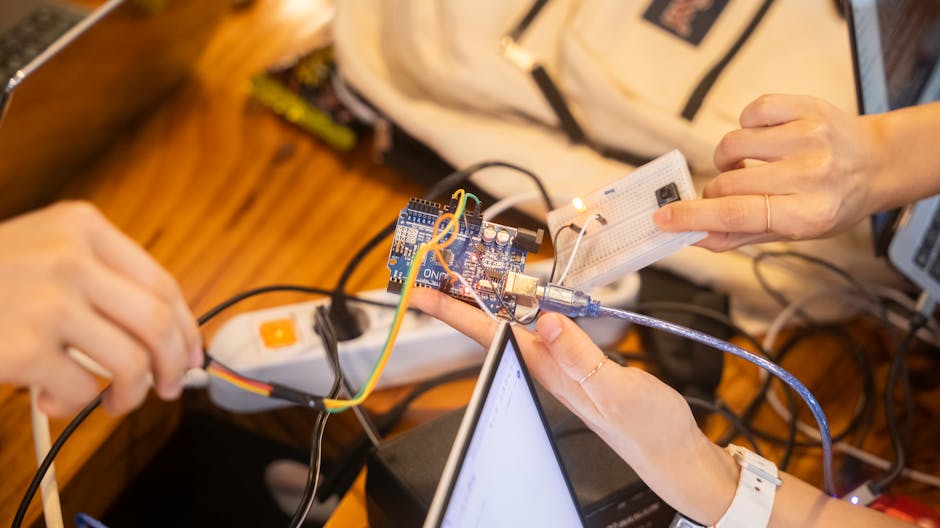
Project-driven study options are usually where students feel the most growth because they build something concrete. This can be at any level—from “capstone” projects in year two to full degrees built around projects.
What it looks like: team projects, product prototypes, design builds, policy briefs, fieldwork, and presentations. Grades often include process (how you worked) and results (what you built).
Pros:
- You practice skills employers want: planning, explaining, and finishing.
- You learn how to handle ambiguity because projects rarely go perfectly.
- You get a clear portfolio of work.
Cons:
- Group work can be uneven if roles aren’t clear.
- You need good project management habits.
One thing I always check with project programs: do they teach project skills (like planning, research, and documentation) or assume students already know? A strong program gives students templates, rubrics, and checkpoints.
If you’re comparing universities, also see our university comparison checklist for study programs.
10) Research-based degree tracks (best for students who love questions)
Research-based study options focus on asking good questions and learning how to study them. This is common in science, social science, and some graduate pathways, but it can start earlier than many students think.
What it looks like: literature reviews, experiments or data analysis, field research, and supervised writing. You might join a research group as a student assistant.
Pros:
- You gain depth and academic confidence.
- You build skills in data, citations, and evidence.
- It’s a great fit if you think you might pursue graduate school.
Cons:
- It can be slow at first and frustrating when results take time.
- You must handle rejection and revisions.
What students often miss: research requires writing skill. Ask how often you get feedback on drafts and whether students publish, present posters, or learn citation tools.
11) Coaching and mentoring-led programs (best for learners who need guidance and accountability)
Mentoring-led study options are for students who thrive when they have a person who checks progress. Some schools call this academic coaching, tutoring mentoring, or “learning support with a plan.”
What it looks like: regular 1:1 meetings, study plans, goal tracking, and skills workshops. This doesn’t mean fewer classes—it means stronger support around them.
Pros:
- You get personalized feedback that speeds up learning.
- It reduces “I fell behind and didn’t know how to fix it.”
- It can help with confidence.
Cons:
- It can feel like extra time unless you see clear outcomes.
- Not all coaching programs are equally good—ask about coach training.
How to verify it during admissions: ask how many students a mentor supports and how the school tracks learning goals (for example, weekly check-ins and written progress notes).
12) Hybrid “micro-credential” pathways (best for career switchers and skill builders)
Hybrid micro-credentials are short, focused programs that stack skills over time. As of 2026, many universities and training providers offer structured pathways that combine short courses with assessments and sometimes a degree pathway.
What it looks like: you complete a set of modules (often 4–12 weeks each), then earn a certificate. Some are bundled into a larger credential.
Pros:
- You can start learning now while planning your next step.
- It’s easier to test a subject before committing to a full degree.
- You can often show the credential in job applications.
Cons:
- Credit transfer isn’t always automatic.
- You must check whether it leads to a recognized qualification.
My honest rule: if you want a degree later, ask about credit transfer and how the micro-credentials map to the syllabus of the full program.
Quick comparison: which study option fits which learning style?
Use this table to narrow down your choices fast. It won’t replace a visit, but it helps you ask the right questions.
| Study option | Best for | Watch-outs | Good first question to ask |
|---|---|---|---|
| Lecture-based | Structured listening, clear note-taking | You must add practice after class | How much time is given for tutorials or problem sessions? |
| Seminar-based | Discussion, reading, writing | Readings must stay on schedule | Is there grading for preparation or participation? |
| PBL | Solving cases and research | Group drift if roles aren’t clear | How do groups get feedback mid-project? |
| Lab/practical | Hands-on science or technical skills | Hard to “catch up” missed labs | How many lab hours per term and how are reports graded? |
| Studio | Making, revising, creative work | Critiques can feel intense | How often do you review portfolio drafts? |
| Reading/writing | Text comprehension and essays | Passive reading wastes time | How much draft feedback do students get? |
| Online/blended | Flexible schedule, self-starters | Late feedback hurts motivation | How fast do tutors grade assignments? |
| Apprenticeship | Learning through work | Scheduling and placement limits | What % is work-based and how do they support you? |
| Project-driven | Building and presenting | Uneven teamwork | Do you get project management tools and rubrics? |
| Research-based | Deep questions and evidence | Slow results at first | How often do students present or publish work? |
| Mentoring-led | Accountability and guidance | Quality varies by school | How many students per mentor and what are the goals? |
| Micro-credentials | Skill stacking, career tests | Credit transfer may be unclear | Do credits transfer to a full degree? |
People Also Ask: study options by learning style
What are the most common learning styles used in study programs?
Most schools don’t use learning styles like a fixed rule. Instead, they look at learning needs: listening + note-taking, reading + writing, hands-on practice, teamwork, and self-paced work. In admissions conversations, you’ll often get better results by talking about your study habits rather than a single label.
If you’re filling out an application, describe how you study when things are hard. For example: “I review notes the same day and do practice questions twice a week,” beats “I learn best visually” in most cases.
Are lecture-based programs bad for students who struggle with focus?
No. Lecture-based programs aren’t bad, but they require a stronger after-class routine. If your focus drops, you need shorter, active steps right after lecture.
Try this for one week: after each lecture, do a 10-minute recap while the content is fresh. Then complete 2–5 practice questions or write 5 flashcards. If your program doesn’t have practice time built in, you can still create it.
What’s the best study option for students who learn by doing?
If you truly learn by doing, project-driven programs, lab-based courses, and studio-style tracks usually fit best. They give you repeated cycles of try → feedback → revise, which is where learning sticks.
One caution: “hands-on” still needs theory. If the program never explains the why, you’ll memorize tasks but struggle to explain concepts. Look for courses that connect projects to core knowledge.
How can I compare schools if the study formats are different?
Compare the format by hours and outcomes, not by marketing words. Ask for a sample week schedule and see the balance of lectures, labs, tutorials, and project checkpoints.
Also ask how assessments work. For example, a program with weekly quizzes plus a final exam tends to support steady studying. A program with only a final paper can create last-minute stress.
Admissions checklist: what to ask before you commit
When you apply, it’s easy to focus on grades and entry requirements. But the fastest way to avoid regrets is to ask about the teaching style and study structure.
Here are questions I recommend students ask admissions teams or program coordinators:
- How is each course graded? (Exams, labs, projects, participation, drafts.)
- How often do students get feedback? Weekly? Before midterms? Only at the end?
- What does a typical week look like? Request an example timetable.
- How much independent work is expected? A good program explains it clearly.
- Are there support services? Tutoring, mentoring, study halls, writing centers.
- What tools are used? For online learning: LMS platforms like Canvas or Moodle. For projects: project templates and team check-ins.
If you’re searching for practical admissions steps, you can also read our university admissions preparation guide to tighten your application timeline.
A real-world example: choosing between lecture-based and project-driven tracks
Here’s a scenario I saw often in 2026 at student info days. Two students wanted the same major, but one loved studying alone and taking notes, while the other wanted teamwork and visible output.
Student A chose the lecture-based track and did great after adding a strict practice routine: review notes the same day, do problem sets twice a week, and attend tutorial sessions. The lectures stayed manageable because the practice made them feel useful.
Student B picked the project-driven program and improved quickly because assignments turned into concrete work: prototypes, presentations, and reports. But they had to learn how to manage group roles (who researches, who writes, who tests) or teamwork became frustrating.
That’s the key insight: the “best” study option isn’t universal. It depends on how you handle practice, deadlines, and feedback.
What I’d do if I were choosing today (my personal decision rule)
If I were choosing a program right now, I’d do this in order:
- Pick your top two study options by learning style (for example, lecture + tutorial, or project + mentoring).
- Check how feedback works (frequency and type).
- Look at the assessment mix (steady checks vs one big final).
- Test your fit with a short “try it” action: attend a sample class, sit in on an open lecture, or complete a course preview quiz.
Then I’d choose the program that gives me the fastest learning loop. For most students, that means some combination of practice + feedback, not just content delivery.
Conclusion: choose study options that force practice, not just attendance
The top 12 study options by learning style don’t just describe class formats. They help you find the right way to practice—whether that’s lectures with tutorials, labs with real measurements, or project-driven programs where you build and present results.
Your next step is simple: make a shortlist of 2–3 study options that match how you learn best, then use the admissions checklist to confirm how the program actually teaches. When the structure fits your learning style, your effort turns into real progress—fast.
Featured image alt text suggestion: “Student comparing lecture-based and project-driven study options by learning style at a university open day.”
About the Author