
Here’s a quick reality check: most people think a degree only teaches “facts.” In truth, a field-specific degree teaches you a way of thinking—and the day-to-day work changes a lot between computer science, business, and health sciences. If you’ve ever wondered what your weeks would actually look like after you start, this guide is for you.
In this field-specific degree deep dive, I’ll walk you through what to expect in Computer Science, Business, and Health Sciences in 2026—classes, skills, admissions angles, tools you’ll use, and common mistakes to avoid. You’ll also find hands-on steps to help you pick the right program before you apply.
Primary keyword focus: This article is centered on the long-tail topic “field-specific degree deep dive,” including what to expect in each major path. If you’re comparing programs, this should feel like a practical checklist, not just general advice.
Field-Specific Degree Deep Dive: How each major “trains” your brain
The fastest way to choose a major is to understand how the program trains you. Computer science is built around problem-solving and building things. Business is built around decisions, data, and people. Health sciences is built around patient care, science, and real-world safety.
Here’s how it usually feels after the first month.
- Computer Science: You write code weekly, debug errors, and learn how to think in steps.
- Business: You study case problems, projects, reports, and how to explain your choices.
- Health Sciences: You study biology and systems, practice skills in labs, and learn clinical basics.
As of 2026, many schools also add career-ready elements early: internships, simulation labs, capstone projects, and updated software tools. When you compare programs, don’t just look at the degree name—look at the weekly rhythm.
Computer Science degree deep dive: courses, tools, and how hard it really is

A Computer Science (CS) degree is mostly about learning patterns for solving problems, not memorizing facts. In my experience, the biggest jump is when classes move from “understanding ideas” to “writing code that works.”
Many programs follow a common backbone. Expect courses in:
- Programming fundamentals (often Python, Java, or C++)
- Data structures and algorithms (how to organize information efficiently)
- Databases (how to store and query data)
- Computer systems (how hardware and software interact)
- Math for CS (discrete math, sometimes calculus or linear algebra)
- Software engineering (team work, testing, version control)
Tools you’ll actually use show up fast. In 2026, many programs expect you to be comfortable with Git (version control) and GitHub or GitLab for team projects. You’ll also see learning platforms and IDEs like VS Code. For databases, it’s common to use SQL (Structured Query Language) and tools like PostgreSQL or MySQL. If your program lists “hands-on labs,” ask what you’ll build and who the instructors are working with.
Field-Specific Degree Deep Dive: What to expect in Computer Science admissions
CS admissions often reward strong math and problem-solving thinking, but the story varies by school. Some universities focus on grades in advanced math and science. Others look more at overall readiness and a strong personal statement.
What I’ve seen work for applicants is simple:
- Show proof of learning: include a project, not just a class.
- Be clear about your CS “why”: don’t say “I like computers.” Say what you built and what you fixed.
- Practice the basics: if you can handle simple Python tasks, you’ll adapt faster.
Also watch for a common trap: people assume CS is only for “straight-A math students.” It isn’t. But you do need patience with practice. Debugging takes time. If you hate repeated trials, choose a field with more writing or less code.
How hard is Computer Science, month by month?
In most programs, the difficulty rises in phases.
- Month 1–2: learning syntax (how to write instructions) and basic problem solving.
- Month 3–4: more logic-heavy assignments and the first “big project.”
- Month 5–6: data structures and algorithms where grades can dip if you fall behind.
- Later semesters: group work, system design, and capstones with deadlines.
My advice for staying on track: start assignments the day they’re given. For CS, waiting two days usually turns into an all-nighter later.
Business degree deep dive: what coursework feels like week to week
A Business degree is training for making choices with limited information. You learn how to read a situation, measure it, and explain what you’d do next—so your job-ready skills include communication and structured thinking.
Business programs usually include core areas like:
- Accounting (financial statements, budgeting basics)
- Economics (how markets behave)
- Marketing (audiences, positioning, campaigns)
- Management and leadership
- Statistics or analytics (how to use data without guessing)
- Business law or ethics
Then you pick a focus. Common examples are finance, marketing, entrepreneurship, operations, or human resources. Some schools also offer concentrations in digital marketing or business analytics.
Field-Specific Degree Deep Dive: What to expect in Business admissions
Business admissions usually look for strong overall grades and readiness for writing and group work. Unlike some CS programs, you don’t always need advanced math to start. But statistics comes later, and you’ll need to be willing to learn it.
What helps most in admissions:
- A clear interest story (what problem do you want to solve in business?)
- Evidence you can communicate (essays, presentations, leadership roles)
- Real examples: running a club budget, planning a fundraiser, selling something, or managing a small team
If your school has an interview, practice explaining your project in plain language. The best answers sound like a person talking, not a perfect essay.
Business classes that surprise students
Many students expect only “marketing” or “money.” Then they hit classes that feel different:
- Operations and process design: improving how a business runs, like reducing delays.
- Research methods: learning how to ask questions and check sources.
- Team consulting projects: presenting recommendations, not just summarizing facts.
One original insight from what I’ve observed across student experiences: the hardest Business assignments aren’t always the math ones. They’re the ones where you have to justify your decision using numbers and explain it to people who disagree. If that sounds like you, Business will feel natural.
Health sciences degree deep dive: learning with real-world rules
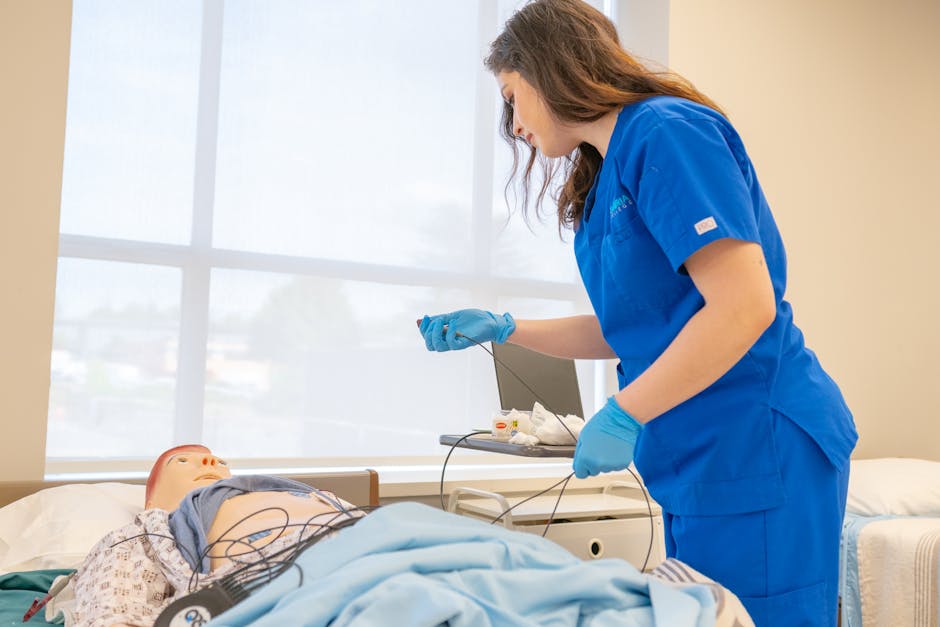
Health sciences is where the degree becomes more than academics. You learn in the lab and you learn to follow safety rules, documentation habits, and professional standards.
“Health sciences” is an umbrella term. Depending on the program, you might find paths like:
- Public health
- Nursing (if offered)
- Medical lab science
- Health administration
- Kinesiology or exercise science (some schools group it here)
- Rehabilitation-focused tracks
As of 2026, many programs also add more simulation and clinical hours. Even if your final job title isn’t “doctor,” you’ll still learn how professionals work in teams.
Field-Specific Degree Deep Dive: What to expect in Health Sciences admissions
Health sciences admissions often include science grades and readiness for hands-on learning. Many programs expect strong Biology and Chemistry foundations, plus good attendance because labs and clinicals can’t be skipped.
Some schools require:
- Prerequisite science courses
- Immunization records or health screening (especially for clinical placements)
- Background checks
- Sometimes an interview or statement
Here’s the part most people miss: health programs care about reliability. If you’re applying, show that you follow through. In your personal statement, mention any volunteer work or caregiving experience, even if it’s informal. If you’ve watched how clinics work, explain what you learned about teamwork and responsibility.
What students should expect during clinical-style learning
Clinical-style learning can begin earlier than you think. You might start with lab practice in your first year and then move to structured observation hours.
Expect to learn:
- Basic anatomy and physiology so you understand how the body works
- Medical terminology (it’s like a new language)
- Safety and infection control
- Documentation (writing clear notes the right way)
- Patient communication (simple, respectful, clear)
If your program includes simulations, ask what they use. Many schools now use realistic mannequins, standardized patients, and video debriefs so you can see your technique and improve.
Computer Science vs Business vs Health Sciences: a clear comparison
Here’s the part everyone wants: how do these degrees compare day to day? Use this table like a quick “fit check.”
| Category | Computer Science | Business | Health Sciences |
|---|---|---|---|
| Weekly feel (typical) | Code labs, problem sets, debugging | Case studies, reports, group projects | Science classes, labs, simulations |
| Most needed skill early | Logical thinking + practice | Writing and explaining decisions | Attention to safety + strong science basics |
| Common time sink | Getting stuck on code errors | Team work + revisions | Lab prep and documentation requirements |
| Group work style | Team coding + testing | Presentations and strategy projects | Clinical teams, structured roles |
| Where people struggle | Falling behind in fundamentals | Not doing data-backed thinking | Missing prerequisites or time commitments |
| Best fit if you like… | Building, troubleshooting, logic | Planning, persuading, working with people | Helping, studying science, following procedures |
What most people get wrong: they pick based on job titles, not the actual learning style. For example, “data analyst” sounds similar across fields, but the path to get there is totally different depending on whether you’re studying CS, Business analytics, or Health data roles.
Costs, time, and “hidden” requirements in 2026
Tuition isn’t the only cost. The hidden costs depend on the field. If you plan for them now, you’ll feel less stressed when you start.
Computer Science cost checklist
- Software and hardware: most tools are free or included, but you may need a capable laptop for labs.
- Time investment: your biggest cost is time spent practicing coding beyond class.
- Project materials: you may pay for domain names, hosting, or cloud credits for projects (often small).
If you’re comparing schools, ask how lab access works. Some programs rely on campus computers and cloud platforms, while others expect your personal setup.
Business cost checklist
- Career prep expenses: resume tools, printing, and interview travel can add up.
- Case competition fees: some schools cover them, some don’t.
- Group project costs: marketing projects sometimes require small budgets for demos.
In 2026, many Business programs use analytics software and online learning modules. Usually, access is included, but it’s worth checking before you commit.
Health sciences cost checklist
- Clinical requirements: immunizations, physicals, background checks, and sometimes drug screening.
- Uniforms and equipment: scrubs, lab coats, goggles, and other required gear.
- Transport and time: clinical placements can mean commuting during set hours.
One honest point: these costs can surprise families. If the school provides an estimated list, use it. If not, ask the program coordinator for a typical breakdown for your year.
Admissions steps that work (and ones that waste time)
Most people apply with a “send everything and hope” plan. For a field-specific degree deep dive, you’ll do better with a plan that matches how the program evaluates readiness.
Step-by-step: building a strong application for each field
- Find the program’s first-year course list. This tells you what they teach early and what prerequisites they assume.
- Match your proof to their priorities. CS: projects and math readiness. Business: writing, leadership, decision-making examples. Health sciences: science grades and reliability.
- Collect “evidence,” not just grades. Evidence is a project repo, a business plan draft, or a volunteer log showing you understand the work.
- Ask a current student one question. “What assignment took the most time, and what did you wish you did earlier?” Their answer tells you the real workload.
If you want more application strategy, you can also read the school-focused guidance in our study tips on building an application timeline (timing matters more than most people think).
Common mistakes I see during admissions
- Ignoring prerequisite gaps: a missing science class can delay health sciences placement by a year.
- Writing a vague personal statement: “I love helping people” isn’t enough for health sciences. You need a real example.
- Only listing classes, not outcomes: “I took intro programming” doesn’t show what you learned. Say what you built.
- Choosing CS only because you like games: software is more than fun apps. If you enjoy fixing problems, then you’ll do well.
People Also Ask: Computer Science, Business, and Health Sciences
Which degree is best for beginners?
For many beginners, Business is often the most flexible starting point because you build skills in communication and business fundamentals first. Computer Science is beginner-friendly if you truly enjoy practice and problem solving. Health sciences is not “harder” just for being science-based, but it has less flexibility once clinical requirements start.
My advice: pick the degree that matches what you’re willing to do weekly, not the one you think sounds easiest.
How do I know if Computer Science is a good fit for me?
If you like making small things work, CS fits. If you get frustrated quickly when something breaks, that’s not a deal-breaker—but you need to build persistence. A simple test is to try a short project: build a tiny calculator, a text-based game, or a script that organizes a list. If you enjoy improving it, you’ll enjoy CS.
What should I prepare for Business internships?
Prepare for tasks like presentations, spreadsheets, and working with deadlines. In 2026, many internships lean on data tools (basic analytics), but they still care about clear writing and teamwork. Practice writing a one-page memo: a problem, what you found, and what you recommend.
Also, connect with the school’s career office early. If your program has employer nights, go even if you don’t “feel ready.” You’ll learn what employers actually ask for.
Do Health Sciences students need volunteer experience?
Volunteer experience helps, but it’s not the only proof. What matters most is that you understand the responsibilities and the pace of healthcare. If you can’t volunteer, look for related experience like lab assistant work, caregiving at home, or shadowing with an organization when allowed.
Then write about what you learned: teamwork, compassion, boundaries, and follow-through.
How to choose between these majors without guessing
Here’s an approach that’s more accurate than “which one sounds cool.” Do a 2-week reality test.
Your 2-week reality test (simple and effective)
- Pick one major to test first. Not forever—just to learn the workload style.
- Find one lesson set. For CS: a basic coding tutorial and one small project. For Business: a case study article plus a 1-page summary. For Health sciences: an anatomy video and a short quiz.
- Track time and frustration. Write down how long it took and what part made you want to quit.
- Write a short reflection. What did you like? What felt boring? What felt hard in a way you could get better at?
This test isn’t about intelligence. It’s about fit. If the “hard part” feels like something you can learn, that’s a good sign.
Next steps: turn this deep dive into action for your school search
If you’re comparing universities in 2026, use the same checklist every time you review a program page. Look at course list details, early projects, lab or clinical timelines, and how support works when students struggle.
Then do three practical things this week:
- Send one email to a program advisor asking about first-year workload and prerequisites.
- Talk to one current student and ask what assignment took the most time.
- Update your application plan based on field priorities (projects for CS, writing/leadership for Business, reliability/science for Health sciences).
If you want more help with program choices, you can browse related guidance in our university comparison guide and our admissions prep resources. Those posts fit well with this field-specific degree deep dive when you’re getting ready to apply.
Actionable takeaway: Choose your major by matching your weekly learning style—build and debug for Computer Science, decide and explain for Business, and study science with strict safety habits for Health Sciences. When you pick based on how the degree trains you (not just the job you hope for), you’ll feel more confident from your first semester onward.

Related posts:
About the Author