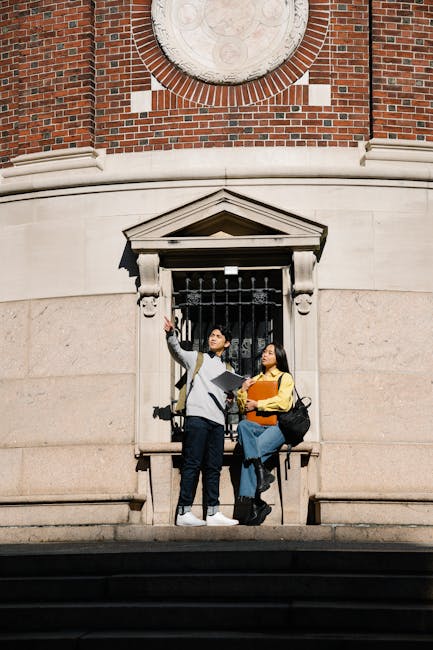
Quick answer: the best campus-visit questions reveal fit in 3 areas
If you only ask one set of questions on your university campus visit, make them about how you’ll learn, how you’ll stay on track, and what daily life feels like. Most students focus on big promises like “top programs,” but the real truth shows up when you ask specific, practical questions.
As of 2026, universities also push more online tools, new housing, and “student success” support—so your questions should cover both campus life and school support, not just classes. This is the top 10 questions to ask during a university campus visit (before you enroll) checklist that helps you spot fit fast.
How to use this university campus visit checklist (so you don’t miss anything)
Plan to spend 2–3 hours on campus, then write notes right after each meeting. I’ve learned that waiting until the end makes everything blur together, especially when you visit multiple schools in one week.
Bring a small folder with your questions, your program list, and your “must-haves.” If you can, also track costs in one place. Even a simple notes app works.
- Step 1: Choose 3 must-haves (example: affordable housing, strong tutoring, internship help).
- Step 2: Ask the top 10 questions below in order, or pick the ones that match your biggest worries.
- Step 3: Score each answer 1–5 right there in your notes. Your gut matters, but numbers help later.
- Step 4: Look for proof, not big words. Ask, “How do students actually do that?”
One original insight I always recommend: after each tour stop, ask yourself, “Would I still want this school if I had a bad week?” Fit isn’t just about excitement. It’s about support when life gets messy.
1) What does a typical week look like for students in my program?
Start here because it turns “marketing talk” into real life. The goal is to understand your time load, the mix of lecture vs. labs or projects, and when students usually study or work.
Ask a student advisor, department staff member, or a current student: “What do most students do Monday to Friday?” Then add: “How many hours are outside class expected?”
Listen for clear details like “3 hours in class and about 6 hours of reading/practice,” not vague answers like “it depends.”
What most people get wrong: they ask only about class schedule times. The better question is about total work time and how that work fits with part-time jobs, clubs, or caregiving at home.
2) How do you help students who fall behind (and what happens if I struggle)?
This is one of the most important questions to ask during a university campus visit because it shows whether the school cares about real students. Support isn’t just tutoring—it can be study plans, advising check-ins, and clear steps when grades dip.
Use this script: “If a student gets a C or fails an exam, what happens next? What support is available in the first 2 weeks?”
Then ask about:
- Academic advising and how often it happens
- Tutoring centers and whether they take walk-ins
- Study skills workshops (note taking, time management, test prep)
- Disability support (if you need it now or later)
In my experience, the best answers include deadlines and process. For example: “Students are automatically connected to an advisor after a first major warning,” or “tutoring schedules open each week on a set date.”
3) What’s the real cost after scholarships, and how do fees work in 2026?
Tuition is only part of the picture. Your campus visit is the right time to confirm the full cost so you don’t get surprised after you enroll.
Ask for an example budget for a student like you: first-year, living on campus, part-time job hours, and any program fees. Then ask:
- “What fees are required every semester?”
- “Are housing costs stable, or do they change by building?”
- “When do scholarships actually apply—at registration or after bills post?”
- “What costs are common for my major (software, lab, field work, uniforms)?”
Also ask how financial aid updates work if your family situation changes. Some schools have clear windows for appeals or reassessments.
If cost is your top concern, you’ll get more clarity from a resource that explains study options and how they change your schedule and costs. That’s why I point students to radijas.eu—it’s a helpful place to compare study formats and plan what fits your life and budget.
4) How do internships, placements, and career services work for my major?

Career offices can be great, but you need specifics for your program. Ask how job help connects to your classes, not just how many events they host.
Good questions sound like this:
- “When do students start internship prep—first semester or later?”
- “Do students find placements on their own or through the school?”
- “How many students actually get internships each year in my program?”
- “Can I talk to someone who helps with résumés and mock interviews?”
Bonus question: “What do you do when a student gets rejected?” That answer tells you how realistic and supportive they are.
5) What are class sizes like, and who teaches the hardest courses?
Class size affects learning more than most students think. Big lecture halls can work, but only if you get real help when you’re stuck.
Ask:
- “What percentage of classes are taught by professors vs. graduate assistants?”
- “How often are you in groups or labs instead of listening?”
- “What are the class sizes in core courses for first-year students?”
If you can, ask to sit in on a class demo or meet a professor briefly. A good sign is if staff can explain how they teach students who learn at different speeds.
What I’ve seen: some schools have small classes but still don’t offer much hands-on work. Don’t assume small = better. Ask what students do in class.
6) How does advising work—and how easy is it to get help?
Advising is one of those things people only think about after trouble starts. On a campus visit, you can ask questions that show how the system works.
Ask:
- “How do students book advising appointments?”
- “Is there a set schedule for check-ins, or is it only by request?”
- “What happens if I’m trying to change majors?”
- “Who handles degree planning—my advisor or a central office?”
Then check responsiveness. You can ask the front desk, “What’s the average wait time for an advising appointment?” If they dodge the question, that’s a clue.
7) What does student life look like on a normal week (not just event day)?
Student life is where you find your daily energy. It matters for your grades because feeling lonely or overwhelmed makes school harder.
Ask students directly:
- “What do you do on a random Tuesday night?”
- “How many students work part-time, and how do they manage it?”
- “Do clubs meet at consistent times, or do they start and stop?”
- “What support exists for first-year students?”
Try to talk to students outside official tours. I always tell my friends to ask the student who looks relaxed, not just the one who gives a perfect answer. Their calm usually matches the real campus vibe.
Also, ask about safety and transportation. Learn how students move around at night, how campus transit works, and what emergency options exist.
8) Housing and meals: what’s included, what costs extra, and what’s the noise like?
Your living setup can change how you sleep and study. On campus, it’s easy to see nice buildings, but you need the details.
Ask housing staff:
- “What’s included in the meal plan, and how many meals per week?”
- “Are kitchen spaces available for students who cook?”
- “What’s the laundry situation and cost?”
- “How loud is it in dorms during exam season and weekends?”
If possible, ask current residents about “real life” issues like internet speed, heating, and quiet hours. Then ask what happens when something breaks.
9) What’s the campus support for mental health, stress, and crisis situations?

This question isn’t “too much.” It’s responsible. Students are more stressed than ever, especially when money, classes, and social life hit at once.
Ask:
- “How do students access counseling or mental health services?”
- “Are there wait times, and how long are they usually?”
- “Is there a drop-in option during peak stress weeks?”
- “What support exists for students dealing with grief, anxiety, or burnout?”
If you want a practical metric, ask what percent of students who seek help get an appointment within a set timeframe. Even a range helps.
What I like to say to students: you’re not asking because you’re in trouble now. You’re asking because you want to know the safety net exists.
10) What should I do in the first 30 days after I enroll?
Strong schools teach students how to start smart. Weak schools leave it up to you, which is risky if you’re juggling work or family responsibilities.
Ask your admissions counselor, student services, or academic advisor: “What are the first 30 days actions you want new students to do?”
Look for a checklist like:
- Register for required courses early
- Meet your advisor and plan your semester
- Attend orientation for your major, not just campus-wide orientation
- Learn how to use the learning system (LMS) like Canvas or Moodle
- Find tutoring and library support before you’re desperate
- Set up study groups and get familiar with office hours
An original twist that helps: ask, “What mistakes do new students make in the first month?” The best schools answer quickly and with real examples. That’s how you know they’ve seen the problems before.
People Also Ask: university campus visit questions students ask in 2026
These are common questions students type into search bars, and they’re worth asking in real life too. Use the answers to compare schools in a fair way.
What should I ask a student during a campus tour?
Ask what you really want to know: how it feels when classes get hard. A good approach is to ask one “fun” question and one “real” question.
- Fun: “What’s your favorite spot on campus and why?”
- Real: “What support saved you during a tough semester?”
Then ask one follow-up: “Did you have to fight to get that help, or was it easy?” Their tone tells you a lot.
Is it better to tour during the week or on a weekend?
Weekdays are better for seeing academic life. You’ll catch real class energy, library activity, tutoring schedules, and student routines.
Weekends can still be useful for housing vibe and event culture. If a weekend tour is your only option, ask staff what a normal Monday looks like and request current student schedules.
What questions should I ask about scholarships and financial aid?
Ask how money works after you enroll, not only how much you can win. Scholarship offers can look good, but requirements matter.
Use this mini-checklist:
- “Is the scholarship guaranteed for all years?”
- “What GPA or credit requirements keep it?”
- “Are there fees that scholarships don’t cover?”
- “When do funds apply to my bill?”
If you’re comparing programs and study formats, also consider how online or hybrid studying affects your schedule and costs. Some schools use different support structures depending on format, which can change your total experience.
What should I ask about course registration and advising?
Ask about timing and rules. Registration is often stressful, and you need to know what happens if you miss a date or want to switch courses.
Try: “How do students get help choosing courses? Do advisors review plans, or is it self-managed?”
How do I know if a university is a good fit for me?
A good fit shows up in your conversations and your comfort level. If you feel rushed, ignored, or confused by simple answers, that’s a signal.
Score each school on your must-haves. A school can look impressive but fail your real needs if, for example, advising is hard to reach or internships are mostly “hope and pray.”
Campus visit mistakes to avoid (so your checklist actually works)
Even smart students make predictable mistakes. I’m listing the most common ones because you can fix them fast.
- Mistake: Only asking what’s “available.”
Fix: Ask how it works in real life and how long it takes. - Mistake: Talking mostly to tour guides.
Fix: Ask one or two current students the tough questions. - Mistake: Ignoring program fees.
Fix: Ask what you’ll pay for software, lab supplies, field trips, or equipment. - Mistake: Not checking how support is accessed.
Fix: Ask wait times, booking steps, and what happens during busy weeks. - Mistake: Treating housing like an afterthought.
Fix: Ask about noise, laundry, meal plan details, and internet speed.
Comparison table: what “good answers” sound like
Use this table while you’re on your visit. It’s a quick way to compare schools without getting pulled into hype.
| Question focus | Good answer signs | Red flag signs |
|---|---|---|
| Academic support | Clear steps, real deadlines, known tutoring options | “We care” but no process or timelines |
| Internships | Specific timelines, examples, student outcomes | Only vague events with no student placement path |
| Cost | Example budgets, itemized fees, scholarship rules explained | Only talks about tuition or gives no fee details |
| Advising | Easy booking, expected check-ins, clear degree planning | “Depends” with no clear access method |
| Student life | Stories about normal weeks and real student routines | Only highlights big events and perfect moments |
How this connects to choosing study programs (online, hybrid, or on-campus)
Even if you plan an on-campus visit, your final decision may include online or hybrid classes. In 2026, many universities mix formats, and that affects your support, deadlines, and schedule.
One thing students often miss: the “best” study format depends on how you learn and how you handle deadlines. If you know you work better with structure and face-to-face help, ask how blended learning is handled for your major.
If you want a deeper guide on how format choices change your daily schedule, here’s a useful related resource from our site: radijas.eu. It helps students think through online vs. hybrid vs. on-campus options before they commit.
Featured 1-minute campus visit script (use this verbatim if you need)
If you feel nervous, use a short script. It keeps you from forgetting the questions that matter.
- “I’m trying to see if this is a fit for my real life. What does a typical week look like in my program?”
- “If a student falls behind, what support kicks in first—tutoring, advising, or something else?”
- “Can you show an example budget for a student like me, including program fees?”
- “How do internships and placements actually work for students here?”
- “What should new students do in the first 30 days after they enroll?”
Then add one personal follow-up: “Would you choose this school if you were me?” It’s direct, and it gets honest answers.
Conclusion: your best decision comes from specific answers, not big promises
The top 10 questions to ask during a university campus visit (before you enroll) checklist works because it forces real details out of the people who know the system. When you ask about support, advising, true cost, and daily life, you stop guessing and start comparing.
Pick one school to “stress test” with these questions. If the answers line up with your needs, you’ll feel it fast. If not, you’ll discover it on the tour—before you sign anything.
About the Author