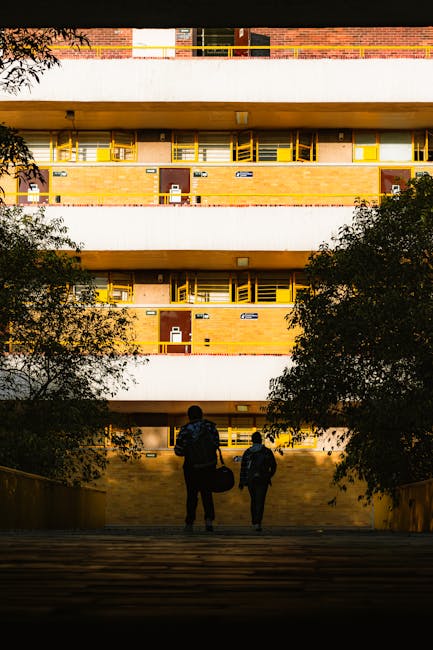
I still remember touring a student residence where the room looked fine in photos… and then I opened the window. The view was loud, the hallway smelled like old food, and the “quiet study zone” was basically next to the laundry room. That’s when I realized a campus life decision isn’t just about rent or distance to lectures. It’s about how safe and supported you’ll actually feel every day.
This Campus Life Reality Check is a practical guide for evaluating accommodation, student support services, and safety before you sign anything. If you’re choosing housing for a university, a college, or even a short study program in 2026, this will help you ask better questions, catch red flags, and pick a place that won’t drain your energy.
Quick answer: Evaluate accommodation by checking costs, room conditions, rules, and real commute time. Evaluate support services by testing how fast help works and what happens when things go wrong. Evaluate safety by reviewing security systems, reporting options, and staff response—then confirming it with facts, not promises.
Start with the “real life” basics of campus life
Accommodation decisions feel easy when you only look at the brochure. Real campus life is messier: noisy neighbors, late-night transport, slow repairs, and forms you don’t understand until you need them.
As of 2026, many universities also move housing online (digital contracts, maintenance tickets, and message portals). That’s not a bad thing, but it means you should check how the system works before move-in.
When I help students plan housing, I start with three facts: your schedule, your budget, and your support needs. If you have anxiety, you’ll want different safety and noise details than someone who studies best in a busy common area.
Write down your daily routine before you tour
This is simple but powerful. Take 10 minutes and map your week: when lectures end, when you work (if you do), and how often you’ll be out at night.
Then match it to the location. If your last class ends at 7:30 pm, ask about evening transport. If you have a lab that runs late, ask about building access after hours.
People often skip this step, then blame the accommodation for problems that were really schedule-based.
How to evaluate accommodation: more than rent and photos
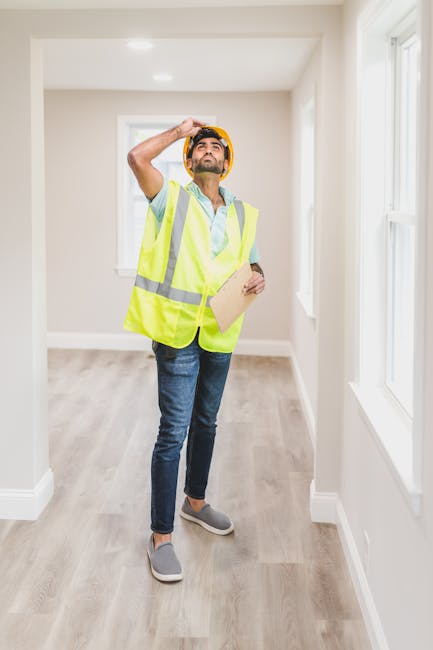
Accommodation is where you live your everyday life, so it needs more checks than “looks clean on the website.” In my experience, the biggest surprises come from noise, repairs, and contract rules.
Accommodation refers to your housing setup—residence halls, shared apartments, homestays, or private rentals. You’re not just checking comfort; you’re checking how fast issues get fixed and how fair the rules are.
Check cost details line by line (and ask what’s not included)
Don’t just look at monthly rent. Ask for a breakdown and get it in writing if you can. Costs can hide inside “utilities,” “service charges,” or “semester fees.”
Here’s a quick list of what to ask for in 2026:
- Total monthly cost (rent + fees + utilities if included)
- Deposit amount and when it’s returned
- Internet speed and whether there’s a data limit
- Heating/air conditioning included or extra
- Cleaning for common areas and your room (if shared)
- Laundry cost per use or free access
- Trash rules (some buildings charge for incorrect sorting)
What most students get wrong: they compare rent only across neighborhoods, not across what’s included. A slightly higher rent can be cheaper if utilities and internet are bundled.
Inspect the room like you’re moving in tomorrow
Touring is about spotting future problems. Bring a small checklist and take photos of anything that looks worn (and ask if it will be repaired).
Focus on these spots:
- Windows and ventilation: can you open them? Does it face a loud street?
- Bathroom: check water pressure, ventilation fan noise, and mold spots.
- Kitchen or kitchenette: confirm storage space and fridge size.
- Flooring: look for stains near the bed or desk area.
- Electrical outlets: count them. If there are only two, you’ll need power strips.
- Internet outlet/wifi coverage: ask if the signal is weak in certain corners.
Real-world example: I once toured a “modern” building where the room had a good desk… but the only strong Wi‑Fi spot was across the hall. That forced a later upgrade to a study desk in the common area, which became distracting.
Ask how maintenance works (and how fast repairs happen)
Maintenance refers to how the place fixes issues like broken lights, leaks, heating problems, or broken locks. You want a clear process and a realistic timeline.
Ask questions like:
- How do I submit a request? (portal, email, phone?)
- Do I get a ticket number?
- What’s the typical response time? (For example, 24 hours for urgent issues.)
- How long until non-urgent repairs?
- Can residents track progress?
If they can’t answer, that’s a warning sign. A good system doesn’t need to be perfect, but it should be clear.
Understand rules before you sign: curfews, visitors, and roommates
Rules affect your freedom more than you think. Some residences have quiet hours, visitor limits, or strict policies about guests staying overnight.
Also ask about roommates and room changes. If you’re paired with someone without similar schedules, it can feel like living with a stranger who never sleeps when you do.
Try this approach: ask how roommate matching works and whether you can request changes. Many campuses will tell you, “It depends,” but they usually have a policy for conflict resolution.
Noise check: do the “phone test” in person
Here’s a simple test I’ve used on tours. Stand where your bed and desk would be. Play a voice note at normal speaking volume for 10 seconds (not loud). Then ask yourself: can you comfortably hear it back?
You can’t stop every sound, but you can spot obvious noise problems—like a residence next to a loading dock or a street with frequent buses.
Also check common areas. A “quiet lounge” that’s really a corridor between rooms can mean noise every night.
Student support services: how to measure if help actually works
Support services matter because campus life isn’t always smooth. When you’re stressed, sick, homesick, or struggling academically, you need help that’s quick and kind.
Support services include things like academic advising, counseling, disability support, international student offices, financial guidance, and welfare checks.
Look for support in writing, not just promises
When you find the support office, ask for specific details. “Yes, we help students” doesn’t help when you’re trying to plan your week.
Ask:
- Where is the service located and what are the opening hours?
- How fast is the first appointment? (For example, “within 5 working days”)
- Is there after-hours support for emergencies?
- Do they offer walk-ins, or do you need an appointment?
- Can they support students with different needs (hearing, mobility, learning)?
In 2026, many schools also use online forms for requests. Ask how long those take to get reviewed.
Test the process with a simple “pretend problem”
This is my favorite way to check whether support services work. Before you arrive, send a short message like:
“Hi, I’m a new student. I’m not sure who to contact about housing repairs and a disability accommodation plan. What’s the first step?”
Then pay attention to three things: response time, clarity, and whether they ask for the right information. If they respond with vague instructions, it may reflect how they handle real cases too.
Know the difference between “advice” and “action” support
Some offices give advice. Others can take action like contacting staff, adjusting deadlines, or arranging services. You want the second kind when something serious happens.
Here’s what to ask:
- Can they contact your department or housing directly?
- Do they have a support coordinator who follows up?
- What documentation do they require, and how do they handle privacy?
- Do they help you request exam access or deadline changes?
If you’re searching for study success too, you may like the way our site breaks down planning your first semester with realistic routines. It pairs well with support services because it helps you get ahead before you need help.
Safety on campus and around accommodation: what to verify

Safety shouldn’t be a vague feeling. You want concrete details: lighting, security staff, reporting options, and how the campus handles incidents.
Safety refers to personal safety (crime prevention and emergency help) plus practical safety factors like safe entry/exit, working locks, and well-marked paths.
Check building access: locks, keys, and entry rules
Ask how entry works. Is it key-card access? Are there times when anyone can walk into the building? Do you get a working lock at move-in?
In student housing, broken locks are a top problem. A building can look nice but still be unsafe if doors don’t latch properly.
Also ask about visitor rules. A strict policy can feel annoying, but it’s often there for a reason.
Look at lighting and paths, especially at night
Lighting matters more than security cameras. Walk the path from your building to the main entrance, bus stop, or campus gate after dark if you can.
If you can’t do an evening walk, ask residents or a staff member about night safety and typical foot traffic. Then ask the most direct question:
“If there’s a problem at 9 pm, who do students call and how fast do they respond?”
That’s the difference between “we have security” and real coverage.
Ask about emergency response and reporting
Make sure you know who to contact for emergencies and what reporting looks like. Safety plans should be clear, not buried in a long website PDF.
Ask:
- Is there a campus security number and does it work from mobile phones?
- Can students report incidents anonymously?
- How is a report documented and what happens next?
- What support is offered after an incident? (medical help, counseling, academic adjustments)
Important note: some campuses have different processes depending on the type of incident. That’s normal. Still, students should not be left guessing.
What I watch for: “soft refusals” when you ask safety questions
Here’s one red flag I learned the hard way. If staff respond with vague lines like “we handle it” or “don’t worry,” keep pushing. Safety info should be shareable.
If you get stonewalled, you can also ask residents. Talk to at least two students who are not friends with each other. Their answers often reveal the real story.
Compare accommodation types: dorms vs private rentals vs homestays
Different housing types bring different trade-offs. There’s no perfect option, but you can choose with your eyes open.
Use this comparison as a starting point and then verify details with the campus office or the landlord.
| Housing type | Pros | Cons / watch-outs | Best for |
|---|---|---|---|
| University residence hall | Common support, staff onsite, often safer entry rules | Rules can be strict; rooms can be smaller | Students who want easy support and structure |
| Private rental (shared flat) | More space and independence | You manage contracts; maintenance speed varies by landlord | Students who like independence and can handle admin |
| Homestay | Meals or family support; often good for culture adjustment | Privacy varies; household rules may be different | Students who want guided support and comfort |
A practical way to decide in 30 minutes
When you’re stuck between two housing options, do this quick scoring. Give each option a score from 1 to 5 for:
- Safety and access rules
- Noise level and privacy
- Support services nearby (office hours, help desk)
- Maintenance and repair speed
- Total monthly cost (with utilities)
Then choose the higher total—but only if the lowest score is not a safety issue. Safety is a non-negotiable.
Support services you should ask about (even if you’re doing fine)
Even if you feel strong and ready, it’s smart to ask about support services now. When you’re stressed later, you won’t remember which office replied the fastest during your tour.
Here are key areas that show up often in student life.
Academic support: advising, tutoring, and exam help
Ask whether tutoring is free or paid. In many schools, tutoring exists but has limited spots.
Also ask how exam support works for students with accommodations. Disability support is a separate topic, but academic support is where you’ll feel the impact quickly.
If your program has mandatory labs, ask who helps when you fall behind due to illness.
Disability support: request help early
Disability support refers to services and reasonable adjustments for students with disabilities or learning differences. It can include extra exam time, note-taking help, or accessible housing.
Ask when you must apply and how decisions are made. Some universities require documentation before they confirm adjustments.
If you need accessible accommodation, don’t wait until the semester starts. Waiting usually creates delays you’ll feel in real stress.
International student support: language, paperwork, and settling in
If you’re studying abroad or moving cities, international student support is not “extra.” It’s practical help with forms, orientation, and adjusting to a new system.
Ask what happens if you miss a deadline or can’t attend orientation. In 2026, many deadlines are strict because they tie into student visas and course enrollment.
We cover other study planning topics in our international admissions checklist, which is helpful if you’re still working through paperwork alongside housing.
Mental health and wellbeing: how to get support without feeling embarrassed
Mental health support is most helpful when you can reach it easily. Ask if counseling has walk-in options, group sessions, or short-term crisis support.
Also ask about wellbeing workshops like stress management or study routines. Those can help before things get serious.
People also ask: common questions students ask before choosing housing
How do I know if student accommodation is safe?
Check access rules, lighting, and reporting steps. In a safe setup, the building has controlled entry, residents can report problems easily, and staff respond with clear next steps. Ask what happens during a security incident and whether residents get follow-up support.
If you can, talk to current residents. Their answers about lock problems and nighttime response time are usually the most honest.
What support services should I use as a first-year student?
Use academic advising early, then tutoring or study help if you need it. Also locate the counseling or wellbeing services even if you don’t feel “sick”—knowing where to go reduces stress.
For many students, the biggest benefit is learning the campus systems fast: how to request changes, how to talk to lecturers, and where to submit maintenance requests.
Is on-campus housing always safer than off-campus rentals?
Not always, but on-campus housing often has more standardized procedures. You usually get clearer access rules, more staff presence, and easier reporting.
Off-campus rentals can be safe too, but you need to verify the door locks, the neighborhood lighting, and how quickly maintenance is handled. Don’t assume safety because an area looks good in daylight.
How can I tell if maintenance will be slow?
Ask about response times and look for evidence like a maintenance dashboard or clearly stated service levels. Also ask residents about the last time a repair took too long.
If the only answer is “we’ll see,” treat that as a warning. Repairs are when safety and health can be affected, like broken heating, leaks, or faulty locks.
Original insight: the “friction test” for campus life fit
Here’s my opinion-based tool: a campus housing decision should minimize “friction.” Friction is anything that forces you to repeat effort—waiting for repairs, chasing answers, dealing with confusing rules, or learning the hard way who to contact.
If you want a simple way to measure friction, ask for three things during your tour:
- How to submit a repair request
- How to get support if you feel unsafe
- How to resolve a roommate or visitor issue
Then judge the answers. Clear steps and named contacts usually mean lower friction. Vague steps mean you’ll spend your energy chasing basics.
In one case, I saw a residence with great rooms but confusing support paths. Students ended up using the university helpline instead of the building office. That added delays, and people felt like they didn’t belong. The room wasn’t the problem—the system was.
Step-by-step checklist you can use on every tour
Print this or save it to your phone. Use it for university residences, partner housing, private rentals, or homestays. The goal is to leave with facts you can compare later.
Accommodation checklist (bring this)
- Costs: Get the full total cost, deposit terms, and what’s included.
- Room condition: Check bathroom ventilation, window function, and water pressure.
- Internet: Ask about speed and where coverage is strongest.
- Noise: Inspect near common areas and test your environment with a short voice note.
- Repairs: Ask response times and how to track repair requests.
- Rules: Visitors, quiet hours, overnight guests, and roommate change policy.
- Move-in process: When you get keys, how inspections work, and what happens if something is already broken.
Support services checklist (ask these questions)
- First appointment time: Ask when you can get help.
- After-hours plan: Find out the emergency contact and crisis steps.
- Documentation needs: Ask what’s required for accommodations.
- Student advocates or welfare: Who checks in when students are unwell?
- How follow-up works: Who contacts you after you submit a request?
Safety checklist (verify, don’t guess)
- Building entry: Are doors locked? Is access controlled?
- Lighting: Check main paths at dusk if possible.
- Emergency reporting: What number do you call? Is it 24/7?
- Incident support: What help is offered after an incident?
- Staff presence: Are there trained staff or security officers on-site?
What to do after you choose: protect yourself from common problems
Picking the “best” housing on paper still won’t stop every issue. But you can reduce stress by setting yourself up for success in the first week.
Do a move-in documentation sweep
On move-in day, take clear photos and note any existing damage. Send it to the right contact right away (email or the housing portal).
Also write down your first maintenance request, even if it’s small, so you learn the process early. If you never test the system, you won’t know how responsive it is until something serious happens.
Get the contact list before you need it
Save these contacts in your phone:
- Housing office (or residence management)
- Campus security or emergency number
- Maintenance request channel
- Student support office (wellbeing, counseling, disability services)
Then write down your plan. Example: “If the lock doesn’t work, I report to maintenance and also message the residence desk.” Having a plan reduces panic.
Use orientation to learn campus safety basics
Orientation isn’t just about rules. It’s when you learn where to find help quickly. Ask about after-hours access, emergency routes, and who to contact if someone is unwell.
If your campus offers a “safety walk” or residence tour, do it. The best safety knowledge is the kind that’s shown in person.
Where this fits in your bigger admissions and study plan
Choosing accommodation is part of admissions and study readiness, not a last-minute task. Many students plan for tuition first and then realize housing and support affect their grades and wellbeing.
If you’re still comparing schools and programs, connect your housing needs to your study choices. For example, some study programs require fieldwork, night attendance, or frequent group sessions. Your housing should support that lifestyle.
Since this site focuses on schools, universities, study programs, admissions, and educational resources, it’s worth aligning your housing plan with your program planning too. If you’re mapping your next steps for entry, check our guide on what to consider when choosing a university so you can compare more than campus branding.
Conclusion: make a choice you can trust, not just a choice that looks good
My takeaway from campus housing mistakes is simple: don’t judge accommodation by photos and don’t judge support by brochures. You judge them by how they respond, how clear their systems are, and how safe they make you feel during real daily life.
Use the checklists, ask direct questions, and verify with facts and people who currently live there. If you do that, your campus life reality check will pay off fast—because you’ll spend less time worrying and more time studying, sleeping, and building a life you actually enjoy.
Action step for this week: Pick one housing option you’re considering and email the office with three questions: total cost details, repair response times, and after-hours safety reporting. If they answer clearly, you’re on the right track. If they dodge, keep looking.
Featured image alt text suggestion (for your CMS): Campus Life Reality Check: student evaluating accommodation, support services, and safety during a residence tour
About the Author