Here’s a real-life admissions surprise: most applicants don’t get rejected because they’re “not good enough.” They get rejected because paperwork is late, translations are missing, or they chose the wrong test for the country. If you’re applying in 2026, the fastest path forward is knowing the common admissions requirements by country—and preparing once, then reusing that work across applications.
Admissions requirements by country are never 100% identical, but they follow patterns. That’s good news. In the sections below, I’ll walk you through what schools and universities usually ask for, what changes by region, and how to prepare efficiently so you don’t spend weeks redoing the same documents.
Quick answer: What most countries require for admissions
If you want the short version, think of admissions as four buckets: (1) proof of prior study, (2) identity and forms, (3) language ability, and (4) program-specific steps like tests or interviews. Most countries use the same buckets, but the exact documents and deadlines differ.
Admissions requirements by country usually include:
- Transcripts/grades from your previous school (high school, community college, or university)
- Diploma or proof you will graduate
- Proof of English or other language skills (for many programs)
- Test scores (sometimes), like SAT/ACT, national exams, or subject tests
- Passport/ID and a completed application form
- Letters of recommendation or a personal statement (very common)
- Some health or visa documents (especially for international students)
Now let’s break it down by the steps you’ll actually need to do.
Common core documents (required almost everywhere)
Most countries start by checking your academic history first. If the school can’t read your grades or can’t verify your identity, the rest of your application won’t matter as much.
1) Academic records: transcripts, diplomas, and grade conversions
Transcripts are your “proof of work.” In most systems you’ll submit official transcripts showing courses, grades, and credits. If your grading system is different, you may also need a grade conversion statement.
What I see work best: download your transcripts early, then confirm with the receiving school what they expect. Some countries want an official stamp and signature. Others accept scanned documents at first, then request originals later.
- High school: usually grades for 2–4 years plus graduation proof
- Undergrad: transcripts from high school and sometimes the first year of college
- Master’s: bachelor’s transcript plus degree certificate
- PhD: bachelor’s + master’s records, plus research fit
Efficient prep tip: keep a folder called “Academics” with everything named the same way (example: “Transcript_HS_2024.pdf”). When you apply to 5 schools, consistent naming saves hours.
2) Identity and application forms
Expect to submit your passport details, contact info, and basic background. Some countries also require birth certificates for visa processing later.
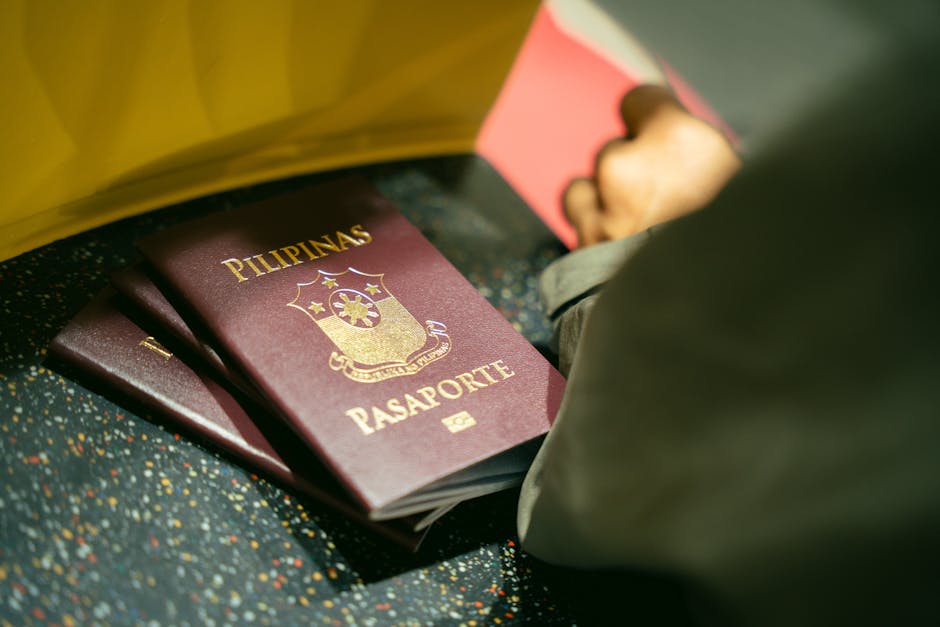
Don’t wait until the last week to check your passport expiration date. In 2026, most visa processes still need a passport with enough validity left. If yours is close to expiring, renew it before you start sending applications.
3) Translations and certified copies (one of the biggest time sinks)
In many countries, translations must be done by a sworn translator or a certified agency. This isn’t just “nice to have.” If the school marks it wrong, they may reject your application packet.
What most people get wrong: they translate only the “most important” pages. Then the university asks for translations of course lists, grading scales, or even school stamps.
My rule: translate everything that has grades, credits, or official school marks—then keep both the original and the translated version.
Language requirements by country and how to meet them
Language requirements by country vary, but the goal is the same: the school wants proof you can study in the program language.
English-taught programs: IELTS, TOEFL, or alternatives
For English programs, many universities accept tests like IELTS Academic or TOEFL iBT. Some also accept Duolingo English Test (where allowed), or proof that you studied in English for a set number of years.
Here’s a practical example: A friend applied to three universities in the UK and Germany. The UK accepted IELTS only. One German program allowed a waiver if the bachelor’s degree was taught in English. Same student, different rules—so we had to treat each application like its own checklist.
Efficient prep tip: make a spreadsheet called “Language rules.” For each school/program, track the accepted tests, minimum scores, and whether a waiver is possible.
Non-English programs: local language tests and placement exams
In places like France, Germany, or many parts of Europe, you may need a local language certificate. Sometimes the university offers a placement test after admission.
Important limitation: if your program is taught fully in English, you may still need basic local language skills for daily life and integration. That’s not always an official requirement, but it helps a lot.
What “minimum score” really means
Minimum scores are not always simple numbers. Some schools require a minimum on each section (speaking, writing), not just the total band or score.
If you’re close to the cutoff, check section rules. A common mistake is preparing for the test overall but ignoring the weaker section.
Test scores and academic selection: what changes by country
Most admissions systems use test scores in some form, but how they’re used varies. Some countries treat tests as the main filter. Others treat them like one part of a bigger picture.
US-style admissions: SAT/ACT plus “holistic” review
In the US, many universities consider SAT or ACT scores, but many also offer test-optional policies. “Test-optional” means your application can still be reviewed without scores, but the school may still value strong academics and essays.
If you want the best chance, submit scores when you’re clearly above the middle of the admitted range. If your scores are weaker, don’t blindly submit—focus on essays, recommendations, and grades.
UK-style admissions: grades and course fit
In the UK, admission often focuses on your high school qualifications and predicted/achieved grades. Entry requirements can include specific subjects.
Quick check: some courses prefer certain A-level subjects or equivalent. If you don’t match, your application can be automatically harder—even if your grades are strong.
Germany and other EU systems: sometimes direct admission, sometimes selection
In Germany, many bachelor’s programs are based on meeting formal requirements. But some fields have selection due to limited seats, especially popular majors.
Original insight: In “seat-limited” programs, your application is not just academic. Your readiness for the program matters too—like whether your background covers key math or science topics. I’ve seen applicants with decent grades still struggle later because they didn’t match the subject foundation.
Canada: grades, English proof, and sometimes program-specific needs
Canadian admissions often review transcripts and language proof, plus program-specific steps. For some programs, you may need a portfolio, prerequisites, or additional forms.
If you’re applying to competitive programs (like some engineering or health tracks), check prerequisite lists carefully. A missing prerequisite can block your application.
India and East Asia: entrance exams and ranking systems
In countries where national entrance exams are common, your scores can carry heavy weight. That doesn’t mean your grades don’t matter, but they usually support your profile rather than replace the exam.
Practical move: start your exam timeline first, then align your school application deadlines around it. Waiting too long to plan tests is one of the most common causes of rushed essays and poor document quality.
Country-by-country differences you should actually plan for
Even when requirements look similar on a website, the real differences show up in deadlines, document formats, and how schools handle international students.
Deadlines: rolling vs fixed dates
Some universities use fixed deadlines (like Nov 1 or Jan 15). Others use rolling admissions where the school reviews applications as they arrive.
In 2026, I recommend planning for fixed deadlines even if a university says “rolling.” That’s because visas and document verification still have their own timelines.
Application portal rules: file formats and upload limits
This sounds small, but it causes failures. One school asks for PDF only. Another rejects scans over a certain size. Another needs a specific naming format.
Efficient prep tip: before you upload for the first time, test one document. Try the portal with a single transcript PDF and confirm it opens correctly on your device. It saves you from uploading 20 wrong files.
Visa-related health and financial documents
If you’re applying as an international student, the admissions offer is only step one. Then you need documents for visas, like proof of funds, insurance, and sometimes a medical check.
Don’t wait until after admission to start gathering financial statements. Many countries require specific formats from banks and a recent date range.
How to prepare efficiently: a 30-day plan that works

The goal isn’t to “work harder.” It’s to work in the right order so you don’t redo things. This 30-day plan is built around real tasks: document collection, translation, test scheduling, and application writing.
Days 1–5: Build your master checklist and document folder
- List every target school/program and country.
- Write down each school’s exact requirements page link.
- Create a master folder with subfolders: Academics, Language, IDs, Essays, Recommendations, and Visa (if relevant).
At this stage, you’re not writing essays yet. You’re setting yourself up so later steps are fast.
Days 6–12: Request documents and start translations
- Order official transcripts and diploma proofs (or confirm how to request them).
- Check if your documents need a certified translation.
- Start translation early so you don’t lose weeks waiting.
Cost control tip: if you apply to multiple countries with the same language requirement document (for example, English), one certified translation often works. Still, confirm with each university.
Days 13–18: Lock in language tests or waivers
- Check your current test scores and expiration dates.
- If you need a retake, choose dates that leave room for score reporting delays.
- If a waiver is possible (like studying in English), gather proof for it.
Take this seriously: language test results can take time, and some schools won’t accept them if they arrive after the deadline.
Days 19–25: Write essays and gather recommendations
Start with a rough draft, then rewrite with the program goals in mind. Many personal statements fail because they sound generic. A good essay shows why that exact program fits you.
For recommendations, ask early. I recommend giving recommenders a simple “brag sheet” with your achievements, target programs, and deadlines.
If you’re using tools, keep it simple. For example, Grammarly can help with grammar, but don’t let it rewrite your voice. Your essay should sound like you.
Days 26–30: Review, upload, and do a final quality check
- Check every required field, not just the uploads.
- Verify file names and page order (transcripts are often uploaded reversed).
- Confirm you meet the country-specific format rules.
- Submit at least 24–48 hours before the deadline when possible.
I know it’s tempting to wait. But submission systems can crash, and time zones can trick you.
People Also Ask: admissions requirements by country
What are the most common admissions requirements by country for international students?
For international students, the most common admissions requirements by country are academic transcripts, proof of graduation, language test scores or language waiver evidence, an application form, and program-specific steps like essays, portfolios, or interviews. After that, visa documents often become the next set of requirements.
If you want one practical shortcut, prepare your core document pack early (transcripts + certified translations + passport). Then you can add school-specific items afterward.
Do I need standardized tests for every country?
No. Standardized tests are required in some countries and some programs, but not all. Many schools focus on your grades, while others treat national or standardized tests as a major ranking tool.
The key is to check the program page, not just the general country guide. A business program might require a test that a different program doesn’t.
How early should I start preparing for admissions in 2026?
Start 4–8 months ahead for most bachelor’s and master’s applications. If you need a language test retake or certified translation, start even earlier.
For PhD programs, start with research fit and contact potential supervisors early. Waiting until the last month usually hurts your chances because research statements and professor match matter.
Do certified translations cost more if I apply to multiple countries?
They can, but not always. If the translation language is the same and each school accepts the same type of certified document, one translation may be enough.
Where costs rise: when schools require different formats or when translation certificates must be issued under specific rules for specific countries.
Which countries are hardest to get into?
“Hardest” depends on the program and the student profile. Some countries are tough because of seat limits in popular majors. Others are tough because admissions depend heavily on national exams.
If your goal is to increase your odds, widen your target list. Apply to a mix of safety, match, and ambitious programs. It’s a simple strategy, and it works.
Comparison: requirements by region (what to expect)
Use this table as a quick “orientation.” Then always confirm on the exact university program page, since each school can add details.
| Region | Common focus | What often surprises students | Best prep move |
|---|---|---|---|
| North America | Grades + essays; test optional at many schools | Essay fit and recommendation quality | Write program-specific essays early |
| UK | Specific subject requirements and predicted/achieved grades | Course match is strict | Check subject prerequisites line-by-line |
| Western Europe | Formal entry rules; sometimes selection by seats | Translation/certification rules are strict | Start certified documents early |
| Asia | National exams or ranking systems in many fields | Exam timing controls everything | Plan test dates before writing everything else |
| Australia/NZ | Academic history + language proof; program prerequisites | Prerequisites block admission | Match prerequisites with your past courses |
What most applicants get wrong (and how you avoid it)
I’ve helped students compare admissions checklists, and there are a few recurring mistakes. Fix these and your application quality jumps fast.
Mistake 1: Treating every country checklist as the same
Yes, many requirements look similar, but the rules around them are different. One school may require a specific form. Another may only accept a certain test date range.
Fix: build a “school tracker” and don’t start writing anything without copying the exact requirements list for that school.
Mistake 2: Waiting for recommendations until the last week
Teachers and advisors often need time to write thoughtful letters. If you ask late, you’ll get short generic letters or no letters at all.
Fix: request letters 3–6 weeks before deadlines. Give recommenders a clear deadline and your brag sheet.
Mistake 3: Using one essay for all applications
Even if the topic is the same, admissions readers can tell when an essay is copied. They want to know you chose their program for a reason.
Fix: keep a “core story” and rewrite the last 20–30% per program to match the curriculum, lab work, or career goals.
Mistake 4: Ignoring file upload rules
Some portals have strict requirements: maximum file size, PDF only, or specific page limits. Upload mistakes are easy to make and painful to fix at the deadline.
Fix: upload one document early as a test. Then you know your setup works.
Internal resources to help you apply smarter
If you want more support, you’ll probably like these posts on our site. They connect well with the admissions checklist work you’re doing here:
- how to write a strong personal statement (useful for the essay-heavy parts of many countries)
- choosing the right university fit (helps you avoid mismatches that cost time)
- admissions timeline for applying (great if you’re juggling multiple deadlines)
- how to compare study programs (helps you pick programs with the prerequisites you already have)
Conclusion: prepare once, then apply with confidence
Admissions requirements by country can feel confusing at first, but they follow the same big buckets: academics, identity, language, and program-specific steps. If you build a master document pack, start certified translations early, and track each school’s exact rules, you’ll avoid the most common reasons applications fail.
Your actionable takeaway for 2026: create your tracker this week, order transcripts and translations within the next 10 days, then schedule any language tests so you’re not rushing. When the deadline arrives, you’ll be submitting ready documents—not scrambling to fix mistakes.
Featured image alt text suggestion: “Admissions requirements by country checklist showing documents, language test results, and application deadlines”
About the Author