If you’re applying to more than one school in 2026, deadlines don’t feel scary at first. Then one form “randomly” closes, a transcript request takes longer than you planned, and suddenly you’re paying for rush shipping. I’ve seen this happen to classmates more times than I can count—usually because they treated each intake like a one-time event instead of a chain of steps.
Application deadlines 101 is simple: an intake deadline is the last step, not the start. You need an internal schedule that starts weeks earlier, especially when you’re juggling different start dates (fall, spring, January, September, and so on) and different requirements (language tests, references, documents, and visas).
Application deadlines 101: An intake deadline is the “finish line,” not the starting line
An application deadline is the date your application must be submitted (and sometimes received). An intake is the start time of the program—like “Fall 2026” or “January 2027.” Most students only plan for the deadline, but the real work happens before it.
In practice, the deadline you see on a university website often assumes you already have core documents ready. When you don’t, every delay becomes your problem: transcript processing, referee responses, portfolio review prep, and even translation timelines.
Here’s the rule I use when planning for multiple intakes in 2026: assume every “paper task” needs 2–6 weeks more than you think. Then add buffer days for mistakes, server issues, and form errors.
Why students miss deadlines when they manage multiple intakes
What most students get wrong is mixing up which date matters. They plan around the intake month, but admissions teams care about submission dates, document cutoffs, and sometimes scholarship application windows.
In my experience, the biggest causes are usually these:
- They track only one deadline. They might remember the main application closing date but forget the test score submission date.
- They don’t separate “apply” vs “complete.” Some programs require references and documents after you submit the form.
- They underestimate back-and-forth. If your passport name doesn’t match your transcript, you’ll get stuck fixing details.
- They assume transcripts are instant. Many schools need several business days (or weeks) to release official copies.
- They miss timezone and “end of day” rules. A 23:59 deadline can still be tricky if you’re submitting late from another country.
If you want a strong base for staying organized, you can also use our study resources on study tips for admissions prep to manage the weeks leading up to tests and document gathering.
Build one master timeline for all intakes (fall, spring, and January)

Your goal is one clear plan you can follow when you feel busy. A master timeline stops you from treating every intake like a brand-new project.
Start by listing every program you’re considering, then write down three dates for each one:
- Application submission deadline (the form close date)
- Document deadline (if they ask for official transcripts, test scores, or portfolio deadlines)
- Decision date / offer timeline (sometimes “latest response” or rolling decisions)
Now work backward from the earliest critical date. For most students in 2026, I recommend a base timeline like this:
| Task type | Typical time needed | Start point if your intake deadline is 8–10 weeks away |
|---|---|---|
| Online application form + personal details | 3–8 days | Start day 1 (write rough draft first) |
| Transcripts request (official documents) | 2–6 weeks | Request immediately (day 1–5) |
| Reference letters (teacher/advisor) | 2–4 weeks | Ask by week 1–2 |
| Language tests (IELTS/TOEFL/other) | 1–3 months incl. booking | Plan your test first, then apply |
| Statement of purpose / essays | 1–3 weeks | Draft in week 2, edit week 3–4 |
| Visa / study permit (if needed) | 4–12 weeks | Start after you have an offer + required docs |
My practical shortcut: pick your earliest deadline intake first. Build the schedule around that one. Then add later intakes with fewer tasks because some documents can be reused.
Organize tasks by “reusable” vs “program-specific” items
This is the part that saves the most time when you’re managing multiple intakes. You only want to write the same thing once.
Here’s how I sort tasks:
Reusable items (same for most schools)
- Passport details (keep a clean copy of your name spelling)
- Basic academic record summary (school, dates, grades)
- Contact list for references (teachers/advisors and their emails)
- CV / resume (even if you tweak it)
- Language test score report (if it meets each school’s rules)
- General personal story notes (your draft points)
Program-specific items (change for each intake/school)
- Statement of purpose (adjust to the program’s focus)
- Portfolio or writing sample (if required)
- Any “supplemental questions” inside the portal
- Scholarship applications (often separate deadlines)
- Course-by-course requirements (some schools ask for specific subjects)
When you separate these two groups, you stop repeating work. It also helps if one program rejects you early—you’re not starting over from zero.
Use a simple system: one spreadsheet + one calendar reminder stack
Paper lists are fine until you’re juggling three intakes and your brain turns into a blur. A spreadsheet keeps details, and a calendar keeps you moving.
Here’s a layout that works well for admissions:
Spreadsheet columns I recommend
- School / university name
- Program name
- Intake (Fall 2026, Spring 2027, January 2027, etc.)
- Application deadline
- Document deadline
- Reference letter asked? (Yes/No)
- Transcript requested? (Yes/No + date)
- Language test done? (Date)
- Status (Draft / Submitted / Waiting / Offer / Rejected)
Calendar reminders that actually prevent late submissions
For each intake, set reminders at three times: “soon,” “very soon,” and “today.”
- 8–10 weeks before the earliest deadline: start tasks (transcripts request, test plan)
- 3 weeks before: finalize essays and references
- 72 hours before: proofread and upload check
- 24 hours before: confirm portal status and submission receipt
If you use Google Calendar, add the portal link and login reminders in the event notes. If you use Microsoft Outlook, do the same. The goal is to reduce thinking at the last minute.
People Also Ask: “Do I have to meet the same deadlines for every intake?”
No. Schools often keep one annual admissions timeline but shift certain requirements by intake. Some programs have rolling decisions in one intake and fixed dates in another.
As of 2026, many universities clearly list different closing dates for Fall vs Spring. Still, you should verify:
- Whether the application deadline differs from the document deadline
- Whether scholarships have their own earlier cutoff
- If international students must meet extra timelines for visas
People Also Ask: “Can I submit the same documents for multiple programs?”
Often, yes—but you have to check the details. Official transcripts usually work across programs if the school accepts them for that level (bachelor vs master). Language tests also carry across as long as the score is valid for the school’s rules.
Where students get stuck is when requirements differ slightly. Example: one program might require a specific grade in a related subject, or it may require your transcript translated by a certified provider.
My advice: keep “document packs.” For each pack, include a folder name like:
- Transcripts (official + date requested)
- Language test (score + test date + where it’s accepted)
- References (who submitted + submission date)
- Essays (final and draft versions for each program)
This way, you don’t accidentally upload the wrong file at 11:30 pm the night before.
What to do when deadlines overlap (a real-world example)
Here’s a common 2026 scenario: you want a Fall 2026 intake at one university and a Spring 2027 intake at another. The Fall deadline is 9 weeks away, and the Spring deadline is 6 weeks away—but you also need a language test result for both.
In that case, I plan like this:
- Book and schedule the language test first. If the test date pushes beyond a deadline, you can’t fix that later. Choose the earliest valid test date that still gives you time to get your score.
- Submit the “core application” early. If a portal lets you submit without final uploads (some do), submit the base form while documents are processing.
- Ask references on the earliest program. Teachers will respond faster when your request is tied to the first deadline.
- Write one essay theme, then customize. Create a shared story bank (projects, achievements, why your field). Then adapt it per program in a focused edit pass.
- Build a “last uploads” checklist. Two days before each deadline: check file names, formats, and portal confirmation emails.
Key point: overlapping deadlines aren’t just stressful—they can break your plan if you treat your tasks in random order. Prioritize anything that has the longest wait time.
Checklist: Your “8–10 week before” plan for multiple intakes
If you want a clear starting point, use this checklist. It works for most students applying to universities, study programs, and admission intakes in 2026.
- List every program + intake date in one place (even if you’re unsure yet).
- Write down the earliest deadline across all programs. That’s your anchor date.
- Request transcripts immediately. Official transcripts are the slowest document for many students.
- Check your language test validity. Confirm the test score meets each university’s minimum and expiry rules.
- Draft a rough statement of purpose outline (no full essay yet).
- Ask references early. Give them your draft bullet points and the deadline date.
- Create a “portal login” note. Write down usernames, passwords are stored safely, and where submission receipts go.
- Set calendar reminders at 72 hours and 24 hours before each deadline.
Checklist: The “48 hours before submission” step that prevents mistakes
Most late mistakes are boring, not complicated. They’re usually file errors, missing uploads, or unfinished forms.
Here’s what I recommend you do two days before any intake deadline:
- Open the portal and check what “required” means. Some portals show optional vs required clearly.
- Upload every document and check the preview. If it looks blurry, re-upload.
- Rename files to match what the portal expects (example: Transcript_Official.pdf).
- Verify your name spelling matches your passport on every page.
- Save a PDF copy of your submitted application or confirmation screen.
- Check emails for “reference received” or “document received” messages.
This is also a good time to ask: do any of your programs require printed documents by mail? If yes, don’t treat it like an afterthought.
What you should (and shouldn’t) ask admissions officers about
When deadlines pile up, it’s tempting to email admissions every day. A better approach is to ask clear questions once you’ve found the problem.
Here’s what you can ask:
- Whether a document upload is accepted after submission
- Whether they accept unofficial documents temporarily
- Whether reference letters can be submitted after the main form
- Clarification on timezone for “closing date” (especially for international students)
Here’s what I’d avoid:
- Asking for extensions without a specific reason
- Sending vague messages like “I’m almost done” with no dates listed
Write one email with a short timeline and what you need. Admissions teams respond better to clear, organized messages.
Pros and cons of applying early vs applying closer to the deadline
There’s no perfect answer, so here’s a practical comparison. This helps you choose a strategy for your situation.
| Strategy | Pros | Cons |
|---|---|---|
| Apply early (8–10 weeks before) | More time to fix file issues and request documents | You may not have final test scores yet |
| Apply mid-window (4–6 weeks before) | Better chance your test scores are ready | Less time to chase references and transcripts |
| Apply late (last 1–2 weeks) | Only works if all documents are already done | High risk: portal errors, missing receipts, no time to correct mistakes |
My opinion: if you’re managing multiple intakes, late applications are a gamble you don’t need. Early submission doesn’t mean rushed work—it means you start the slow tasks earlier.
How to connect this to your admissions strategy (and other site resources)
Deadlines planning is part of a bigger admissions plan. If your goal is to get into the right program, you also need a clear shortlist and a realistic timeline.
For students comparing universities and study programs, check our related guide on choosing the right study program. It helps you decide what you can reuse across applications and what you must tailor.
If you’re still early in the process, our study tips for admissions readiness can help you plan test prep and document writing time without falling behind on schoolwork.
Conclusion: The best way to manage multiple intakes is to plan backward and reuse what you can
Application deadlines 101 isn’t about memorizing dates. It’s about building a schedule where you start the slow tasks first—transcripts, references, test planning, and writing—then you submit when you’re truly ready.
Your actionable takeaway for 2026: pick your earliest intake deadline, build a master timeline for every program, and set three reminders for each deadline (8–10 weeks, 72 hours, and 24 hours). If you do that, you won’t just “meet deadlines.” You’ll finish applications with fewer errors, clearer documents, and less stress right before offers come in.
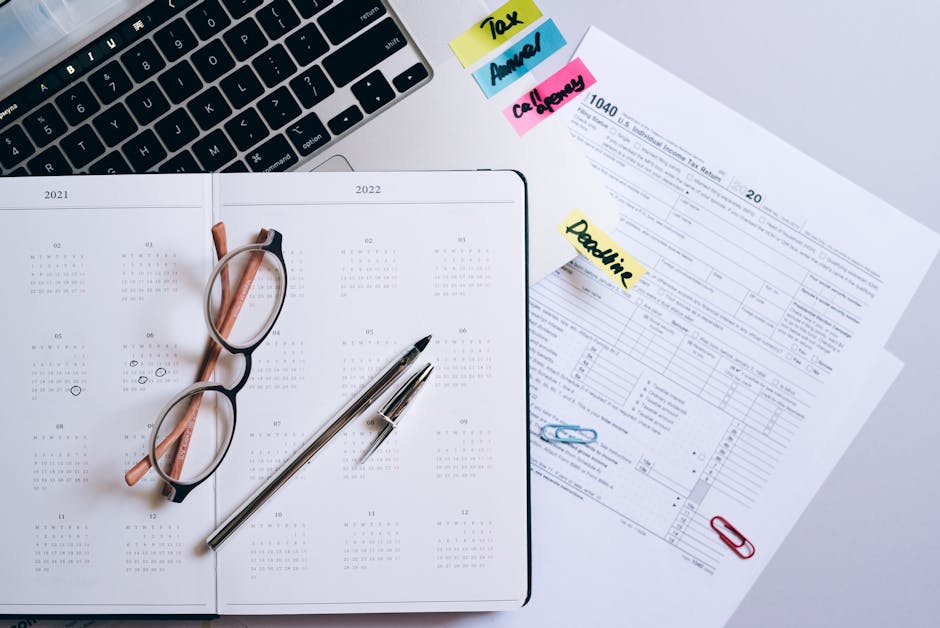
Featured image alt text: Application deadlines 101 checklist for managing multiple intakes and uploading documents
About the Author