Picture this: you find two universities that look almost the same on paper. One has shiny rankings and big billboards. The other looks quieter, but their program details and support services seem stronger. In 2026, the difference is often hidden in accreditation, ranking methodologies, and quality signals—and that’s exactly what students and families should check before they commit.
Here’s the direct answer first: accreditation is an outside quality check of an education provider or program, while ranking systems are a mix of data and choices about what “counts.” Quality signals are the real-world proof you can verify—things like graduation outcomes, licensing exam pass rates, student support, and how programs respond when students struggle.
I’ve guided families through school comparisons for years, and one pattern shows up again and again: people look at rankings first and then scramble later when they realize rankings don’t measure what they care about most.
Accreditation 101: What It Is (and What It Isn’t)
Accreditation is a structured quality check—and it helps, but it doesn’t automatically tell you which program fits you best. If you only read the admissions page and the rankings page, you’ll miss the difference between “accredited” and “right for your goals.”
Accreditation is a process where an approved organization evaluates a school or program. The goal is to confirm that the school meets set standards for things like faculty qualifications, learning outcomes, academic resources, and student support. In plain terms: it’s a way to reduce the risk of getting a weak education from a random listing.
For students, the big practical value is that accreditation often affects transfer credits, eligibility for financial aid, and how other schools or employers view your credentials. Some licensing boards also require accreditation for certain careers.
Two types you should know: institutional vs. program accreditation
Institutional accreditation means the whole school is reviewed. Program accreditation means a specific degree or department meets extra standards.
Example: A university might be institutionally accredited, but a nursing program may also hold program-specific accreditation with rules about clinical hours and instructor experience. If you plan to work in a regulated field, you care about both.
What most people get wrong: they assume “the school is accredited” means “every degree is equally strong.” That’s not always true. Some schools have strong programs in one area and weaker ones in another.
How to verify accreditation quickly (without getting lost)
Use a simple checklist so you don’t rely only on a school’s marketing claims.
- Find the accreditor name on the school’s website or in the catalog.
- Confirm it’s recognized by checking the accrediting body’s status on official listings.
- Check the type: institutional, program, or both.
- Look for the scope: campuses covered, online programs included, and dates.
- Confirm any special requirements if you need licensing (for example, healthcare or teaching).
If you’re comparing schools across states or countries, this step matters even more. Standards can be different, and some schools describe accreditation in ways that sound similar but aren’t the same.
Ranking Methodologies: Why “Top 10” Doesn’t Always Mean “Best for You”
Ranking methodology is the behind-the-scenes recipe for how results are calculated. If you don’t know the recipe, you can’t trust what the number really means.
Most rankings blend several signals. Common categories include reputation surveys, research output, student-to-faculty ratios, graduation rates, selectivity (like test scores or acceptance rates), and outcomes (like employment or earnings). The problem isn’t that rankings are fake—it’s that they measure what the ranking creator decided matters.
Two students can look at the same ranking and have two different needs. One student cares about affordability and support. Another cares about lab research and publishing. A single number usually can’t satisfy both.
The data choices that quietly change the result
Small changes in what data counts can shift a whole school’s position. Here are some of the choices that matter most:
- Reputation surveys: these can reflect long-standing brand strength more than current student experience.
- Research measures: great for STEM and grad pathways, but less helpful for students seeking hands-on training and job placement.
- Graduation rate adjustments: some rankings look at graduation rate for the overall student body; others adjust based on entry difficulty.
- International student share: this can raise diversity stats but doesn’t always predict program teaching quality.
- Cost vs. value: some lists are mostly prestige, while others try to account for “value for money.”
My personal rule: treat ranking positions as a starting point for shortlisting, not as the final decision. Shortlist means “check it more.” Final decision means “verify outcomes and fit.”
Institutional ranking vs. program ranking
Program-level rankings and reviews often tell you more than the overall university list. A university might be strong in business and weak in some majors, or the opposite.
If you want to compare like with like, look for ranking and review sources that focus on your specific field. Then cross-check those with accreditation and program requirements.
Quality Signals That Students Can Actually Check

Quality signals are the things you can verify with real numbers or real processes. Rankings can guide you, but quality signals help you avoid surprises.
Think of quality signals as evidence. Some evidence is published (like outcomes). Some evidence is revealed through how a school responds to questions (like advising speed and clarity).
Academic outcomes that matter (not just “overall success”)
Outcomes matter more than slogans. Look for:
- Graduation rates for your student type (full-time vs part-time, commuter vs residential, first-year cohorts).
- Retention rates from year one to year two.
- Job placement or internships in your major (and whether they show the method).
- Licensing exam pass rates for regulated fields like nursing, teaching, or specific health careers.
- Average time to degree when available.
One strong move is comparing outcomes across majors at the same school. If a school hides outcome reports for your major, that’s information too.
Student support signals you can test in a week
Good schools show up in small, practical ways. In a single week, you can gather useful clues by contacting departments directly.
- Ask about advising: “How long does it take to get a first appointment?”
- Ask about tutoring: “Is tutoring offered for my first required course?”
- Ask about career help: “Do students get resume reviews and mock interviews?”
- Ask about course structure: “How much hands-on work vs lectures?”
- Ask about support for difficult semesters: “What happens if a student struggles in the first term?”
What I notice in real conversations: schools with strong academic support give clear timelines and specific examples. Schools that struggle often give vague answers like “we support everyone.”
Facilities and staffing: measure it, don’t guess it
Facilities matter when they connect to real instruction. A school can have a nice building but still have large class sizes or too few instructors in your major.
Look for:
- Class size range for required courses, not just “student-to-faculty ratio.”
- Part-time vs full-time instructors in your major.
- Lab or clinical hours for programs that depend on practice.
- Faculty credentials relevant to your track.
If a school won’t share basic numbers in its catalog or program page, you should treat that as a red flag.
How Accreditation and Rankings Work Together (and Where They Clash)

Accreditation sets a baseline, while rankings try to compare performance. That sounds simple, but in real life they can point in different directions.
Here’s a common scenario I’ve seen: a school has solid accreditation and decent outcomes, but it doesn’t place high in a reputation-heavy ranking. Meanwhile, a top-ranked university may have excellent prestige but a program that’s too large, too theory-heavy, or too expensive for your needs.
Case example: when a “high ranking” program fails a simple quality test
A ranking can look great but still fail your personal quality check. Imagine you want a hands-on engineering track. You check accreditation and everything is valid. But during your week of outreach, advising emails take two weeks and the curriculum map shows you won’t touch design projects until late in the program. That mismatch matters more than a ranking position.
Now flip it: a less famous school might not win ranking lists, but it offers structured mentoring, tight lab access, and clear pathways into internships. That’s a better learning environment even if the brand isn’t loud.
What to do when accreditation is strong but outcomes look weak
Don’t stop at “accredited.” If accreditation is valid, then your next step is to focus on your specific program’s evidence: retention, graduation timing, licensing rates, and employer feedback.
Sometimes outcomes lag because a school serves a student population with different needs, or because the program changed recently. In 2026, transparency has improved at many schools, but you still need to ask.
A direct question you can send to a program director: “What changed in the last two years that affects outcomes for students like me?” The best programs have a ready answer.
People Also Ask: Accreditation vs. Rankings vs. Quality Signals
Students ask the same three questions over and over because the terms sound similar but they’re not.
Is accreditation the same as a ranking?
No—accreditation is a pass/fail quality check, while rankings compare schools. Accreditation confirms the school or program meets set standards. A ranking uses data and a scoring method to place schools in order.
A school can be accredited and still rank lower. A school can rank high but offer a program that doesn’t fit your goals.
What are “quality signals” in education?
Quality signals are measurable clues that predict your learning experience. Examples include tutoring access, advising response time, licensing exam pass rates, internship structure, retention by cohort, and transparent curriculum maps.
Some signals are numbers. Others are process. Both matter.
How do I compare universities across different rankings?
Pick one or two rankings to shortlist, then verify with your own scorecard. Don’t average ranks across lists. Instead, compare accreditation status, program curriculum, outcomes evidence, and student support.
If you’re studying the admissions side too, your shortlist should also reflect entry requirements and your best route into the program. See our guide on how to choose a university that fits your goals for a practical approach.
Can a high-ranked university have a weaker program?
Yes. Rankings usually reflect the whole institution or a mix of fields. A specific major can have different staff quality, different lab access, and different support structures.
This is why program-level evidence matters. Don’t assume your major will match the university’s headline reputation.
Step-by-Step: Build a Quality Scorecard for Your Program
A scorecard stops you from guessing. It also helps you explain your decision to your family without getting pulled into debates about “prestige.” Here’s a simple method I use with students.
Step 1: Confirm accreditation and required program approvals
Write down whether the school is institutionally accredited and whether your exact program has program accreditation (if relevant). If you need licensing, confirm the program meets licensing board requirements.
This step is about risk control. It should be quick and clear.
Step 2: Choose the outcomes you care about most
List your top three outcomes. Examples:
- “I need a clear path into internships in my first year.”
- “I need job placement data for my major.”
- “I need high pass rates for a licensing exam.”
Then look for the evidence that matches those outcomes. If the school doesn’t publish it, ask directly.
Step 3: Compare student support like a real-world customer
Contact the program with two specific questions. Track response time and clarity. Good programs don’t just answer—they teach you how the system works.
If you’re also planning for enrollment timelines, you may want to connect this with your application planning. Our university admissions preparation checklist helps you line up documents and deadlines while you compare programs.
Step 4: Check the curriculum map for required courses
Don’t just read the course list. Look for:
- When required “core” courses start.
- How hands-on projects are spread across terms.
- Whether you have room for electives that match your career interests.
A program that delays practice until the last year can feel very different from one that builds skills from week one.
Step 5: Add affordability and “cost per opportunity”
Rankings often ignore affordability unless the list is built for value. In 2026, I recommend calculating your “cost per opportunity.” That means:
- Cost for the whole program (including required fees)
- Number of internships or placements supported
- Estimated time to degree
If one program costs $10,000 more but offers structured internships every term, it may still be the better deal—especially if it reduces the chance you’ll need an extra year.
Common Mistakes to Avoid (These Cost Students Time and Money)
Most regrets aren’t about rankings—they’re about what students assumed without checking. Here are the mistakes I see most.
- Believing one score fits all majors. Fix: verify program-level outcomes and curriculum.
- Skipping accreditation verification. Fix: confirm the accreditor and the scope for your exact program.
- Ignoring support services. Fix: test response times and advising access.
- Over-trusting reputation. Fix: ask for numbers you can measure (pass rates, retention, internship structure).
- Not checking financial reality. Fix: compare net cost, not just sticker price.
If you’re comparing multiple schools, you’ll move faster with a spreadsheet. Track accreditation status, program approvals, outcomes evidence, and support notes from your outreach calls.
Where This Matters Most: Admissions, Scholarships, and Study Choices
Accreditation and quality signals shape the rest of your education journey. Admissions isn’t just about acceptance. It’s about fit, support, and long-term outcomes.
For example, if you plan to transfer, accreditation and course alignment are crucial. Some programs accept credits well; others don’t. That can change your time to graduation.
If you’re worried about affordability, check whether scholarships are tied to retention and academic progress. A school can look cheap at first and then become expensive if support is limited.
To connect this with your next move, you might also read our guide to comparing schools like a smart student. It’s more focused on practical decision-making than accreditation theory.
My Practical Take for 2026: A “Triangulation” Approach
Here’s the angle I think most generic guides miss: don’t pick one source of truth. Use three layers—accreditation, ranking signals, and program-specific quality evidence—and let them confirm each other.
Triangulation means: if accreditation is solid, rankings look decent, and program outcomes match what you need, your odds improve a lot. If one layer is missing or mismatched, that doesn’t mean the school is bad. It means you should ask sharper questions.
In other words: rankings can point you toward candidates. Accreditation reduces risk. Quality signals confirm your specific learning experience.
Conclusion: Your Next Step Is a Verification, Not a Guess
If you want a real win in 2026, verify before you commit. Check accreditation scope for your exact program, use rankings only to build a shortlist, and collect quality signals you can measure—outcomes, support, curriculum structure, and licensing requirements where relevant.
Your actionable takeaway: create a simple one-page scorecard for each program, then send two targeted questions to the department. If the answers are specific, fast, and consistent with the evidence, you’re moving in the right direction. If the answers are vague or missing, don’t ignore that. It’s telling you how the program will treat you once you’re enrolled.
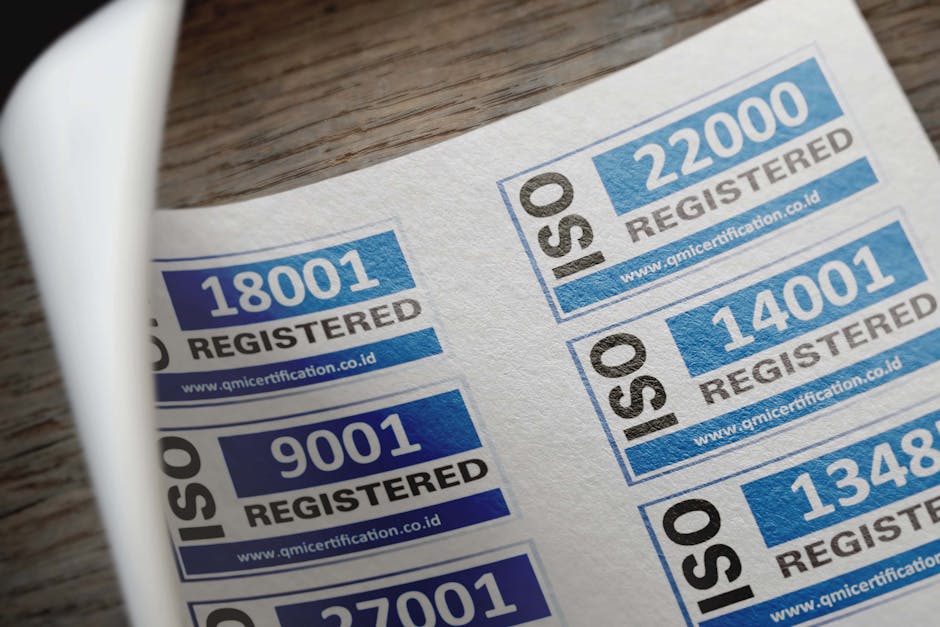
Featured image alt text requirement: Deep Dive: Understanding Accreditation, Ranking Methodologies, and Quality Signals (student comparing university accreditation and program outcomes).
About the Author