If you’re building anything near a school or university, the calendar is your enemy. One month you’re “just cleaning up the site,” and the next month you’re dealing with mud delays, blocked access, or a surprise rework because the ground wasn’t checked early.
When you plan a site or small project near campus, you should contact local earthmoving services as soon as you can measure the site and sketch the plan—usually right after you confirm your layout and before you order any long-lead items like fencing, underground pipes, or delivery schedules. This is the point when earthworks decisions affect everything: cost, timing, and how safely work can happen around students and staff. That early call helps you ask the right questions and avoid the most common mistakes.
Contact local earthmoving services early when your layout is set (not when the dig starts)
Here’s the simple rule I follow in real projects: if the layout is changing, you’re still deciding the “why.” If the layout is locked, you start deciding the “how.” Earthmoving sits in the “how,” so it’s best to contact local earthmoving services while your plan is still flexible enough to match the ground.
In practice, that means you call after you have a basic site plan and rough measurements. For small campus jobs—like a new patio, a walkway extension, drainage work, or a storage pad—this is often 2–6 weeks before the first heavy delivery. For bigger work—like utility trenches or grading for new structures—it can be 6–12+ weeks early, because you need time for soil checks, permits, and scheduling around campus hours.
Earthmoving services are not just about digging. They also handle leveling, moving fill, preparing a base, and coordinating transportation. The earlier you include them, the more accurate your estimate becomes.
What local earthmoving services do for small campus projects (and why it matters)
Earthmoving services cover more than one task. On a campus site, that “one job” often turns into several moving parts at once.
Earthmoving services are the contractors that plan and carry out earthworks—like excavating soil, relocating it, grading the surface, and preparing the ground for concrete, paving, or underground utilities. They often bring the right machines, run traffic-safe deliveries, and coordinate with other trades.
For a school or university area, the top benefits show up fast:
- Better timing around campus schedules: they can plan work windows for mornings, evenings, or weekends.
- Less mess: correct base prep and drainage reduce mud and runoff during construction.
- Fewer surprises: soil conditions affect excavation depth, compaction needs, and the type of base you should buy.
- Safer access: you can set up haul routes and storage areas so students and staff stay away from active work.
Real-life example: drainage work that saved a month
I’ve seen a small campus project where the team planned a simple trench for a new drainage line. They didn’t call the earthmoving crew until week two, after deliveries were already booked. The ground turned out to be wetter than expected, and the trench needed deeper bedding and more controlled backfill. The excavation itself wasn’t the problem—the missing early plan was.
Once they brought in the earthmoving service earlier, the crew could choose the right machine, confirm soil handling steps, and coordinate trucking so they finished on schedule. That’s the value of timing: it’s not just “work gets done,” it’s “work gets done the right way the first time.”
When exactly should you call? A practical timing checklist (2026)

For 2026 best practice, I recommend you think in three steps: decide, measure, then schedule. Each step triggers a different question for earthmoving.
Use this checklist for a near-campus project:
- Decide the site boundaries: When your fence line, gates, and access paths are drafted, contact the earthmoving service to discuss machine size, turning space, and how close equipment can work near pedestrian areas.
- Measure the basics: As soon as you know approximate excavation depth ranges (even rough), ask about soil removal, spoil handling, and whether you’ll need a compaction layer.
- Confirm underground needs: If you’re adding drainage, power conduits, or water lines, call before final trench depths are set. Earthworks affect the trench and backfill plan.
- Plan the delivery rhythm: For deliveries near campus, ask about hauling routes, timing, and how they’ll prevent tracking mud onto public walkways.
- Schedule the work window: If students are present, ask how they handle noise, dust control, and barrier setup.
If you’re not sure where you are in that list, a quick call is still worth it. Good earthmoving contractors ask questions, and they’ll often tell you what you need to measure first.
What to ask local earthmoving services (so you get accurate quotes)
This is the part most people skip, and then they complain later about costs changing. If you want a quote that holds up, ask specific questions.
1) “What’s the right machine for our site and distance from campus paths?”
You want a direct answer here. Ask what machines they use for tight access, slopes, and near-walkway work. Even for a small project, a different machine can change productivity and safety.
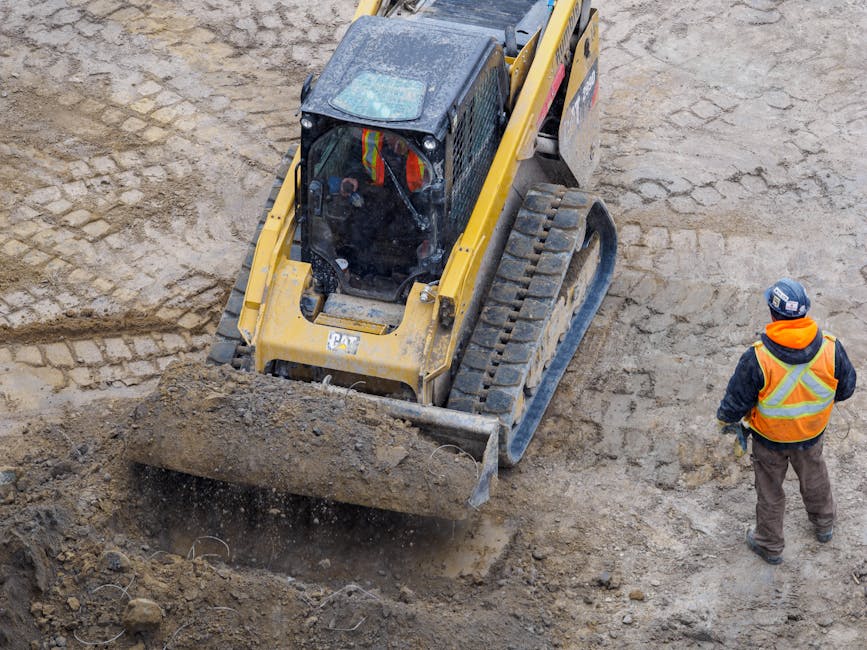
For example, a compact machine like a Bobcat-style loader is often a better fit for smaller areas and controlled grading. If the site needs deeper excavation or heavy lifting, you might need a different excavator setup. Either way, the contractor should explain why their choice fits your ground and access limits.
2) “Do you check soil and groundwater before you dig?”
Earthworks depend on what’s under the surface. Ask about how they handle wet soil, soft spots, or unknown fill. If they don’t do a site assessment, ask what they rely on (soil reports, site walk, or visible indicators).
Good contractors explain it in plain terms, like: where the ground is soft, they’ll remove it and replace with a proper base, or they’ll change the sequence to keep the site stable.
3) “How do you handle excavation spoils—where do they go?”
Ask this early because it affects transport cost and scheduling. Spoils can mean “soil you remove,” but it can also include mixed materials that need separate handling. You also want to know if they can haul away or if you must arrange a dump site yourself.
4) “What base and compaction do you recommend for the final surface?”
This matters for things like walkways, small buildings pads, and parking areas. Ask what they recommend for:
- compaction method (how they compact the soil)
- typical layer thickness (how thick each layer should be)
- when they test or confirm compaction
In my experience, the best quotes include these details, because base prep is where “small jobs” often fail later.
5) “How will you protect students, staff, and visitors during earthmoving near campus?”
Ask about barriers, signage, and dust control. If the project sits near entrances or bus routes, you need clear safety steps.
Specific questions you can ask:
- Do they use hard fencing and controlled gate access?
- How do they keep muddy tires from spreading dirt onto walkways?
- What noise limits or work-time plans are used near school hours?
6) “What’s your plan for permits and utility coordination?”
Near-campus projects often involve utilities. Ask whether they coordinate with the utility owner, locate existing lines, and how they handle unknown underground services. If you already have utility drawings, bring them. If you don’t, ask what step they recommend to avoid damage.
What most people get wrong when planning earthmoving near a school or university
Most problems don’t come from the digging. They come from assumptions.
Common mistake #1: quoting “just grading” without including drainage
Rain turns grading mistakes into puddles fast. If you only level the surface and don’t plan drainage, the area stays wet and unsafe. Ask how water moves across the site and what slope changes they plan.
Common mistake #2: scheduling heavy trucks during peak campus access times
Even a short delivery window can cause a traffic pile-up. For a safer plan, ask about off-peak delivery times and a dedicated loading route.
Common mistake #3: ignoring access for equipment
People underestimate how tight campus sites feel in real life. Gates are narrower. Turns are sharper. There are curbs and ramps. Ask how the machine will enter, move, and exit without damaging sidewalks or landscaping.
Common mistake #4: leaving soil questions to the last minute
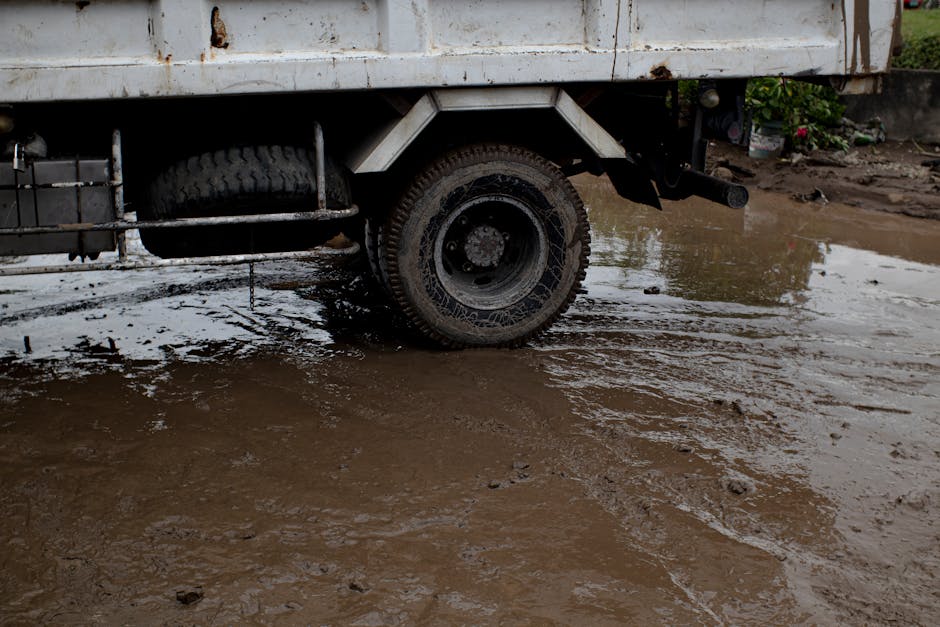
Unknown soil is expensive. Wet soil can double work time. Soft spots can force base replacement. The best way to avoid surprises is to ask about soil handling early—before you order materials.
Choosing between a “small job” crew and a full earthmoving team: pros and cons
It’s tempting to hire the cheapest option. But near campus, safety and timing matter more than saving a few euros right away.
| Option | Pros | Cons | Best for |
|---|---|---|---|
| Smaller equipment/crew | Often better for tight spaces and short tasks | May have limited hauling and fewer site-handling steps | Small patios, minor grading, short trench runs |
| Full earthmoving service | Handles excavation, leveling, transport, and site prep together | Costs more, but reduces rework if planned well | Drainage + base prep + utilities + access coordination |
My recommendation: if your campus job includes drainage, utility work, or any underground trenching, you’ll usually do better with a team that can manage earthworks end-to-end. You’ll spend a little more upfront, but you reduce downtime and delays.
How to use a service like bobcatnuoma.eu for campus-adjacent work
If you need earthmoving in a tight urban area near buildings, you want equipment that’s built for small spaces and controlled work. That’s where services offering compact, site-friendly machinery often fit well.
One example is bobcatnuoma.eu. They describe professional Bobcat rental and earthmoving support in Vilnius and within about a 50 km radius. For campus projects, this kind of local capability matters because it reduces travel time for machines and can help you keep a tighter work schedule around classes, deliveries, and access rules.
Even if you’re not renting a Bobcat yourself, their service descriptions can help you think through what you need to ask: machine suitability for grading, soil handling, and transport coordination. It’s also a good reminder to ask about equipment size, turning space, and how they handle cleanup after each work window.
People Also Ask: When should we contact earthmoving services near campus?
Here are short, direct answers to common questions I hear from school admins, property managers, and parents who notice work starting late or getting messy.
How far in advance should I contact local earthmoving services?
Contact them as soon as your layout and access plan are decided. For small near-campus work, that’s often 2–6 weeks before heavy equipment arrives. For projects that include utilities, drainage, or major grading, plan for 6–12+ weeks so soil and access issues don’t blow up your schedule.
What’s the first thing earthmoving contractors need from the client?
They need a site plan with key dimensions (even rough), the work area boundary, and your access points. If you have utility drawings, include them too. If you don’t, ask what they recommend to locate existing underground lines safely.
Can earthmoving happen while students are on site?
Yes, but only with strict safety controls. You need barriers, controlled entry/exit, dust and noise planning, and a clear work window. Many contractors can schedule work for evenings or weekends, which is often the smoothest option for campuses.
What questions should a school administrator ask to avoid delays?
Ask about: work hours, delivery timing, how they prevent mud tracking, how they handle wet soil, and how they protect walkways. Then ask for a simple schedule with start/end dates and daily cleanup steps. If the contractor can’t provide clear steps, delays become more likely.
Will earthmoving costs change after the quote?
They can, but a good contractor reduces surprises by asking for site details and planning for drainage, soil replacement needs, and spoil handling. Costs change most when the real ground conditions show up later than expected.
Step-by-step: your “call-day” checklist before the contractor arrives
If you want this to go smoothly, prepare a small package for the earthmoving crew. It doesn’t need to be complicated.
- Bring the site sketch: show where work starts and ends, plus gates and paths people use.
- Share any utility info: drawings, known utility routes, or “unknown but suspected” areas.
- List your deadlines: when the area must be usable again (for safety and access).
- Decide your acceptable work hours: school hours, after hours, or weekend windows.
- Ask for a method statement: in simple words, how they plan to do the excavation, move soil, level the base, and clean up.
When you ask for these on the call, you’ll get clearer answers and fewer misunderstandings on site.
Conclusion: Call local earthmoving services when your plan is “locked enough” to match the ground
Here’s the takeaway: contact local earthmoving services early enough that they can match your plan to real site conditions. For many near-campus small projects, that’s 2–6 weeks before digging starts. For drainage, utilities, or major grading, it’s often 6–12+ weeks early.
If you want the fastest path to a reliable schedule, ask about machine choice, soil and water handling, spoil transport, base prep and compaction, and safety controls for students. Do it now—while the layout is still flexible—and you’ll avoid the most expensive kind of delay: rework caused by digging the wrong way.
If you’re working on a campus upgrade and you also need to plan around access and safety, you’ll find more practical scheduling tips in related posts like How to Plan Construction Access Without Disrupting Admissions Days and Study Program Facilities: Timing Upgrades Around Semester Schedules. Those guides help you map the calendar so earthmoving fits real campus life.
Featured image alt text: Earthmoving near campus walkways with a compact excavator and dust barriers
About the Author