Campus tours that matter start before you step on campus
A lot of students treat a campus tour like a photo session. I did that once—then I realized I didn’t know the answers that actually mattered when it came time to apply. Campus tours that matter are planned around decisions, not around pretty buildings.
Here’s the simple truth: a tour is your fastest way to test fit. By the end, you should feel clear on academics, support, cost, safety, and daily life. As of 2026, many schools also offer virtual tours, but the best insights still come from being there in person.
Quick definition: what “fit” really means on a campus tour
Fit is how well the school matches your goals and how you live your day. It’s not just “Do I like the vibe?” It’s also “Will I get help when I need it?” and “Will my schedule actually work?”
What to ask on a campus tour (questions that reveal the real school)
Your questions should pull out facts you can’t get from a brochure. I’ve watched students ask about parking or dorm furniture, and those are fine—but they don’t tell you if support is strong.
Below are questions I’d bring to any campus tour in 2026. If you ask these politely, you’ll learn more in 20 minutes than most students learn in a full afternoon.
Academics and support: ask these questions
Academics are the heart of the decision. Don’t guess—ask for specifics.
- How big are classes during the first year? If “it depends,” ask for a real example: “For intro biology, what’s the typical class size?”
- Who teaches my classes—professors or teaching assistants? This matters more than most people think because it affects feedback and office hours.
- How do students get help when they’re stuck? Ask about tutoring centers, study groups, and how quickly students get answers.
- What’s the most common reason students struggle in the first semester? Good schools already know this and have a plan.
- How often do students meet with an advisor? And is it scheduled or “as needed”?
Admissions and outcomes: ask questions that connect to your future
Even if you’re not ready to apply yet, you should understand what happens after acceptance.
- What percent of students graduate within 4 or 6 years? If they share this, you’re seeing real tracking.
- What are the top reasons people change majors? That answer tells you how honest and flexible the system is.
- How do internships work for my program? Ask if there’s a career office, if internships are posted, and how students get placed.
- How many students go to internships during the summer before year two? Then ask: “How do students find those, and what support is offered?”
- Do students need a certain GPA to stay in a specific track? If yes, ask what “good standing” looks like.
Student life: ask questions that tell you how it feels on a Tuesday
Here’s a trick: ask questions that sound like you’re living there. That’s when tour guides stop talking in generalities.
- What do most students do after classes end? Listen for real places and routines.
- What time does the library get packed on weekdays? That shows study habits and whether it’s open when students need it.
- How safe is the campus at night? Ask about lighting, escorts, and how incidents are reported.
- What’s a typical day for a first-year student? Ask them to describe one, start to finish.
- Are there quiet areas, and where are they? If they can’t answer, that’s a sign.
Money and housing: ask questions that stop surprises
Costs can change a lot between “advertised” and “real.” Ask early so you don’t fall for a low number that doesn’t include everything.
- What’s the all-in cost estimate for a student like me? Ask for housing, meal plan, books, and fees.
- What’s the average financial aid package like? If they can’t share numbers, ask what factors change packages.
- How are roommates assigned? Ask about matching by major, sleep schedule, and survey questions.
- Are there quiet dorms or floors? Some schools do this; others don’t.
- What’s the policy for moving rooms? This is huge if you’re a student who needs a specific setup.
What to observe during your campus tour (what you see tells the truth)

If you only ask questions, you miss half the story. Observations are where you spot the small details that affect your day-to-day life.
I keep a simple checklist in my notes app. It takes 5 minutes, and it helps me compare schools later without relying on memory (memory is unreliable after you tour three places in one weekend).
Look at how busy places feel, not just how they look
A building can be shiny and still feel empty. During your visit, watch what’s happening around you.
- Library: Is it full of students using it, or does it mostly look nice and empty?
- Dining hall: Do students linger, or do they rush and leave?
- Academic buildings: Do you see people in study rooms or groups meeting?
- Student support offices: Are there signs of real traffic at the times you’re there?
Check the “quiet parts” and “help parts”
This is my personal test. I look for places where students can focus and places where help is easy to reach.
- Study spaces: Are there quiet rooms, tutoring spaces, and areas for group work?
- Accessibility: Are paths and entrances easy to use? Are there ramps and clear signage?
- Office locations: Do support offices feel hidden, or are they in clear, central spots?
- Wi-Fi and charging: If you can, check if seating has power outlets and if signals are strong.
If a tour guide rushes through these areas, ask to slow down. You’re trying to picture your daily routine, not collect facts.
Notice how the tour guide answers hard questions
Here’s an original insight I learned the hard way: the way someone answers says more than the answer. When a question is tough, you’ll learn whether the school is honest or rehearsed.
For example, when you ask about class size and they say, “We keep it personal,” follow with: “What’s the average for first-year courses?” If they dodge repeatedly, that’s a signal.
Take a “walk-through audit” with your phone clock
Tour days have schedules. Still, you can do one quick audit: time yourself walking from dorm to dining to your expected major building.
- Pick a dorm building you’re shown (or a similar one).
- Time the walk to the main dining hall.
- Time the walk to the building for your program or a similar department.
- Ask: “If I have a 10-minute gap between classes, is that enough time?”
This is practical. It tells you whether you’ll actually make it to class without stress.
How to score your campus tour (a simple system you’ll actually use)

After a tour, you’ll want to remember everything. You won’t. Your brain will blend three schools into one story.
That’s why I recommend a scoring sheet. Keep it quick. You can copy it into Google Sheets or Notes and fill it out right after the tour.
The Campus Tour Scorecard (10 categories, 1–5 points each)
Score each category from 1 (not good) to 5 (excellent). Then add comments for the top two categories you care about most.
| Category | What to score | My quick note |
|---|---|---|
| Academics | Class sizes, teaching style, office hours | |
| Support | Tutoring, advising, student services | |
| Career paths | Internships, career office, connections | |
| Housing | Room setup, roommate process, noise | |
| Food | Quality, variety, meal plan reality | |
| Safety | Lighting, reporting, after-hours feel | |
| Learning spaces | Library, study rooms, group areas | |
| Student life | Clubs, community, everyday vibe | |
| Accessibility | Mobility, support, clear signage | |
| Cost clarity | Transparent fees, realistic estimates |
Turn your scores into a decision rule
Scores alone aren’t the decision. I use a rule: choose the school that wins in the categories that match your priorities.
For example, if you need strong academic support because you learn best with coaching, your highest-weight categories might be Support and Academics. If you care about internships, weight Career paths more.
What to do if two schools score close
If School A and School B are within 2 points overall, stop guessing and ask one follow-up question. I’d call or email the admissions counselor and ask something specific, like:
- “For my program, what’s the typical internship timeline for first-year students?”
- “What tutoring services are available for the most common entry-level math course?”
- “How do advisors help students who change majors in the first year?”
This is where you get a real edge.
Common mistakes students make on campus tours (and what to do instead)
Most tour mistakes are small, but they add up. Here are the ones I see over and over, plus a fix that takes almost no extra time.
Mistake 1: Only listening to the tour script
Tour guides often follow a schedule. That doesn’t mean you can’t ask for your own stops.
Fix: Before the tour starts, say: “I’m interested in support services and internship help. Can we spend 5 minutes on those?”
Mistake 2: Treating the tour as a vibe check only
Vibes matter, but you’re picking a place for classes, deadlines, and stress.
Fix: Ask at least two “hard truth” questions: one about academic help, one about costs or housing.
Mistake 3: Not checking transportation and walking distance
You might tour on a pleasant day with perfect shoes. Reality shows up later.
Fix: Do the timed walk-through audit I mentioned earlier. Then ask about transit if you’ll rely on it.
Mistake 4: Forgetting to ask about your program, not “the school”
A university can be great overall and still be weak for your specific major track.
Fix: Ask how your major is taught in the first year. If you can’t meet the program office, ask for a contact person.
Mistake 5: Assuming dorm showrooms match real rooms
Showrooms are curated. Some are helpful; others hide the real difference.
Fix: Ask about typical room sizes, storage, noise rules, and what happens when roommates clash.
People also ask: campus tours, admissions, and what students should do next
How do I prepare for a campus tour in 2026?
Prepare like you’re interviewing the school. Print or save your questions, list your top 3 priorities, and set a goal for what you want to learn.
Also, bring a notebook or phone notes for quick observations. After the tour, write down three facts you learned that you couldn’t guess from marketing.
What should I bring to a college tour?
Bring comfortable shoes, a small water bottle, and your question list. If you have accommodations needs, bring documentation or at least a short summary of what you need.
In 2026, many campuses have clear accessibility support, but you’ll still get faster help if you’re ready.
Should I go to a campus visit even if I’m not ready to apply yet?
Yes. Tour visits can shape your choices so you apply strategically.
For example, if you learn on a tour that the program has limited advising or big class sizes, you can adjust your school list early. That saves money and stress later.
How can I tell if a school’s tour is “too polished”?
You’ll notice when questions get vague answers. If they only show the nicest buildings and avoid real student support spaces, take it seriously.
My check: ask for one specific example—like a typical first-year course schedule or how tutoring is booked. Polished tours still answer specifics.
Is a virtual tour enough?
Virtual tours can help you shortlist schools. They’re also useful if travel costs are too high.
But for campus tours that matter, you should still aim for at least one in-person visit for your top picks. The sound level, walking distances, and real student energy are hard to feel through a screen.
Use tour insights for admissions decisions (so your visit actually helps your application)
A good campus tour doesn’t just confirm your choice. It gives you better answers for admissions tasks later.
Admissions officers notice when students understand the school. That means you should connect your interests to what you saw.
Turn observations into application details
When you write essays or choose programs, use details from your visit. For example:
- If you saw tutoring rooms and asked about how students schedule help, you can mention it in a way that shows you plan to use support.
- If you talked to a career counselor about internship timelines, you can tie that to your goals.
- If you noticed quiet spaces and study rooms, you can explain how that helps your learning style.
Ask the admissions team for the right next step
After your tour, ask what you should do next. A good counselor will point you to real deadlines and requirements.
If you’re building your school list, you can also read our guide on how to choose a college program that fits you and compare programs with confidence.
Planning your best campus tour day: a schedule you can copy
You don’t need a perfect plan. You do need a plan that keeps you from rushing and forgetting.
Here’s a realistic schedule I’ve used for multiple school visits (one morning tour, one quick follow-up meeting). It works well in 2026 because it balances exploration with time for questions.
Copy this tour schedule
- Arrive 15 minutes early. Walk the main paths if you can. Look at signs and entrances.
- Start with your top 3 priorities. Tell the guide: “I care most about support, internships, and housing.”
- Do a “quiet + help” stop. Ask to see the library and a tutoring or advising space.
- Ask 8–12 questions total. Spread them out so you don’t dump all questions at the end.
- Do the timed walk audit. Dorm → dining → program building.
- End with money clarity. Ask about the all-in cost estimate and what fees are required.
- Write your scorecard right after. Don’t wait until later; you’ll forget details.
When you should ask for extra time or a second visit
If your top program wasn’t shown well, or you didn’t meet anyone from your department, request a follow-up. Some schools can set up a short meeting with a program coordinator.
Also, if the campus feels loud or crowded in the areas you care about, schedule a visit at a different time of day. Weekdays after lunch can feel different than early morning.
Final takeaway: score your campus tours like you’re making a real decision
Campus tours that matter are not about how impressed you feel in the moment. They’re about how confidently you can answer key questions after you leave.
Use the question list to pull real facts, observe the quiet and help spaces, and score each school right away. Then, when you move into admissions, you’ll have both better information and stronger answers.
If you want to keep building your plan, check out how to build a strong application school list and what to look for in university academic support. Your tour insights should connect directly to your next steps.
Action step for your next tour: Pick your top two priorities, ask 6 questions that prove them, and score your visit in under 10 minutes right after. That’s how you turn a campus visit into a decision.
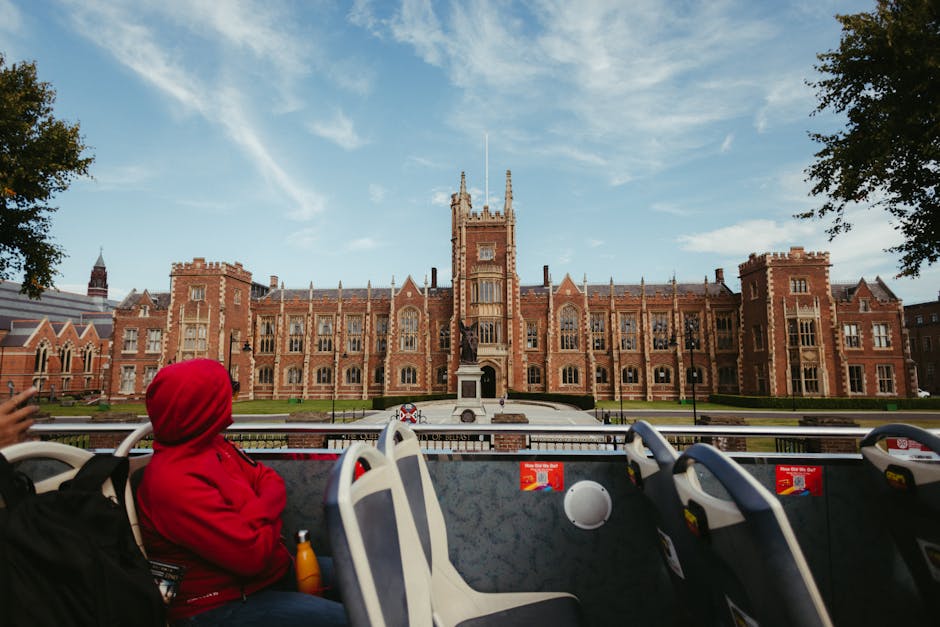
Featured image alt text suggestion (use when adding your photo): Campus tours that matter—student taking notes during an admissions tour on a university campus in 2026
About the Author